Brilliant Tips About Best Fasteners For Geotextile Fabric In Farm Treatment
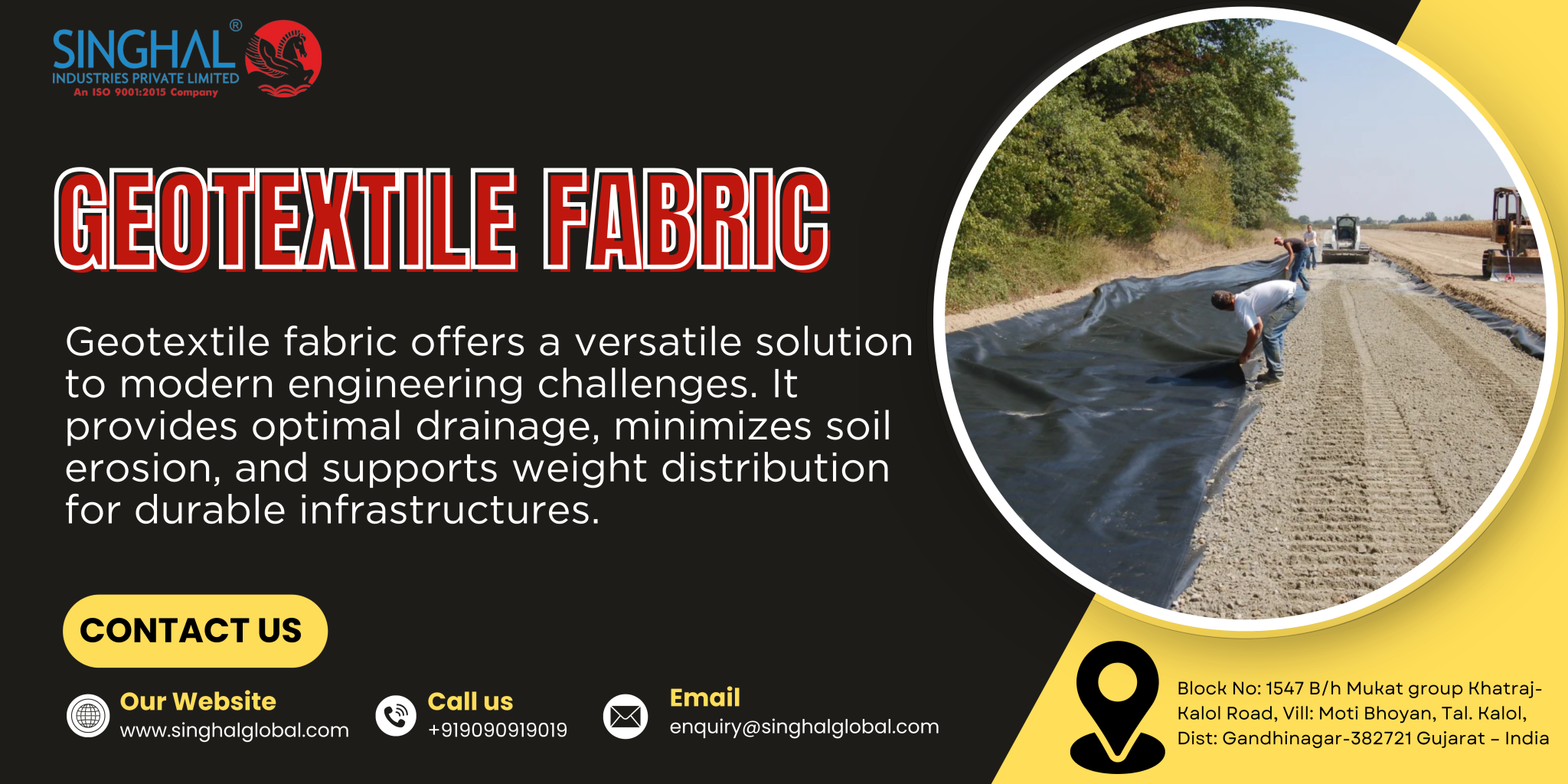
The Power of Geotextile Fabric in Soil Stabilization
Best Fasteners for Geotextile Fabric in Farm Treatment
You know that sinking feeling when you've spent a whole weekend laying down geotextile fabric for a new drainage ditch or a livestock pen, only to watch the wind peel it back like a cheap bandage? Yeah, I've been there. After a decade of wrestling with this stuff on everything from muddy feedlots to erosion-prone hillsides, I can tell you this: the fabric itself is only half the battle. The real secret to a job that lasts through rain, frost, and tractor traffic is choosing the best fasteners for geotextile fabric in farm treatment. Get this wrong, and you're patching holes every spring. Get it right, and you forget the stuff is even there.
Let's cut through the noise. You're not building a decorative garden path. You're managing a working farm where soil, water, and heavy loads are in constant play. The fasteners you choose have to handle UV exposure, chemical runoff, and the sheer mechanical stress of animals or equipment. I've tested more pins, stakes, and anchors than I care to count. Here's what actually works.
Why Standard Hardware Store Staples Fail on Farm Geotextile
Look—I get the temptation. You're at the local hardware store, you see a box of landscape staples for eight bucks, and you think, 'Good enough.' It's not. And I've got the bent, rusted, pulled-out examples to prove it. Standard fasteners for geotextile fabric from a big-box store are designed for light-duty landscaping, not the brutal reality of a farm treatment area.
The first problem is material thickness. Most cheap staples are made from thin-gauge wire that bends the second you try to drive it into compacted clay or rocky soil. The second problem is corrosion. Farm environments are wet, often acidic from manure or fertilizers, and those zinc-plated staples will rust out in a single season. Honestly? I've seen guys use roofing nails. Don't be that guy. They pop up, they tear the fabric, and you're back to square one.
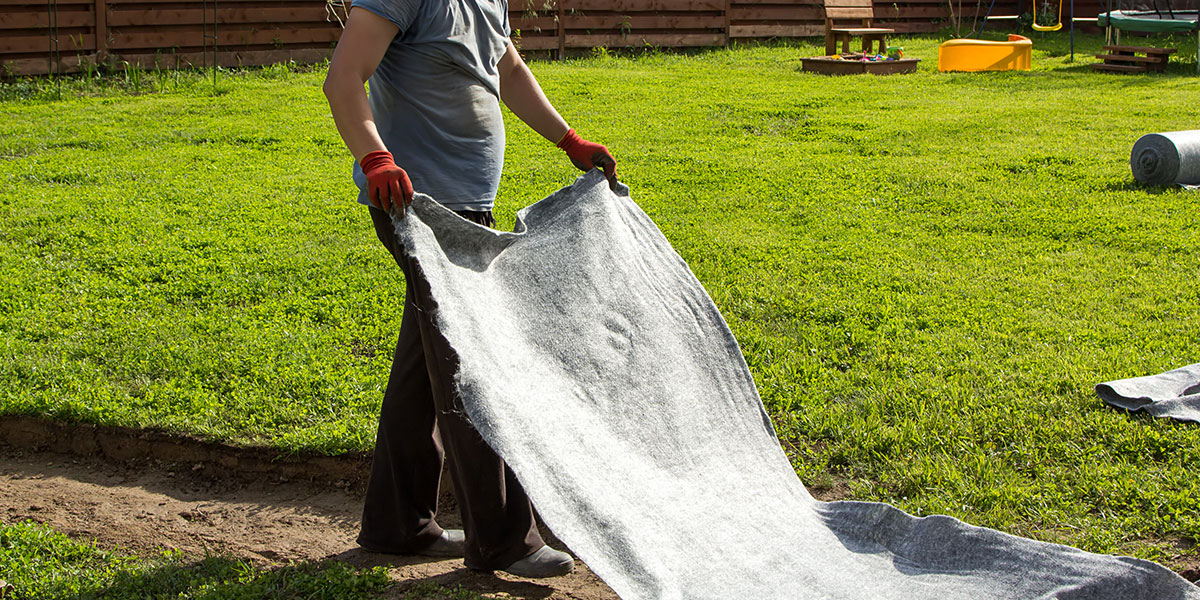
Step-by-Step Geotextile Installation Guide - Geobera
The third issue is holding power. A lightweight staple might hold a decorative mulch fabric in a flower bed, but it won't anchor a heavy geotextile fabric against wind uplift or the shifting weight of a cow's hoof. You need fasteners that penetrate deep and lock in place. It's a big deal because a loose edge is where the whole installation starts to unravel—literally.
The Top Contenders: What Actually Holds Up
After years of field trials (and a few spectacular failures), I've narrowed down the list to four fastener types that consistently perform in farm treatment applications. Each has a specific job, and picking the wrong one is like using a sledgehammer to hang a picture. Let's break them down.
Heavy-Duty Galvanized Steel Staples
These are my go-to for most general applications. We're talking 10-gauge or thicker, with a 6-inch or longer leg length. The galvanization is critical—it's a hot-dip process that creates a thick, sacrificial layer of zinc. This resists the chemical soup you find in a farm environment. I've pulled these out of a drainage trench after three years, and they still had structural integrity.
The key is the cross-section. Look for a square or rectangular wire profile, not round. Square wire bites into the soil better and resists bending when you hit a rock. Drive them at an angle—about 45 degrees—so the crown of the staple presses the fabric flat against the soil. Don't hammer them flush; leave a slight gap to avoid tearing the fabric under tension. Seriously, this one trick doubles your holding power.
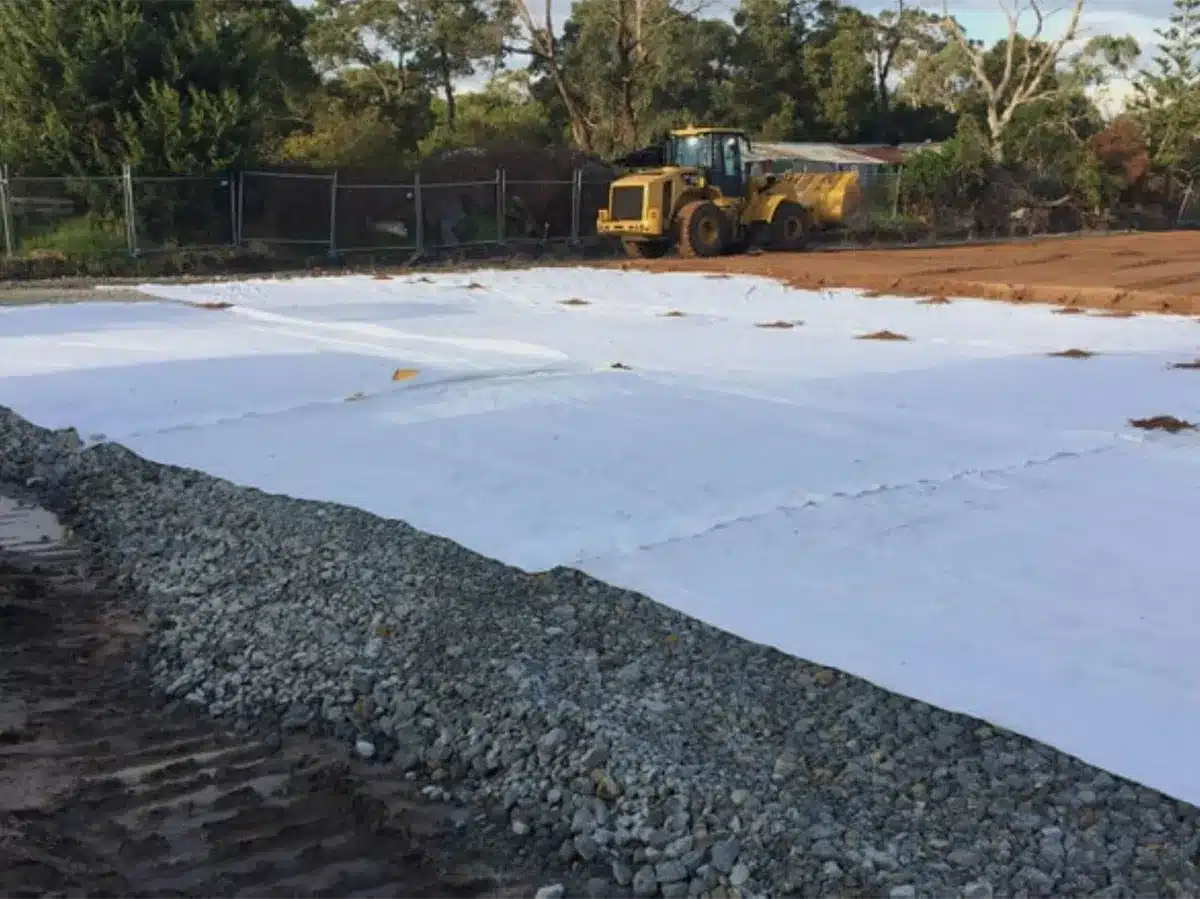
Smart Info About How To Anchor Geotextile Fabric | Benjamin Bellamy
U-Shaped Sod Pins with Washers
For areas with high wind exposure or where you're laying fabric on a slope, standard staples just won't cut it. Enter the U-shaped sod pin with a wide plastic or metal washer. These are longer—typically 8 to 12 inches—and the washer distributes the load over a larger area of the geotextile fabric. This prevents the fastener from pulling through the material, which is a common failure point.
I use these extensively in farm treatment areas like livestock loafing pads and heavy-traffic laneways. The washer also helps seal the hole against water intrusion, which reduces the chance of the fabric lifting from hydrostatic pressure. One pro tip: pre-drill a pilot hole if you're working with extremely compacted soil. It saves your wrist and prevents the pin from bending. It's a small step that makes a massive difference.
Biodegradable Wooden Stakes and Pegs
This one surprises a lot of people. For temporary installations or areas where you'll be removing the fabric in a season or two, biodegradable wooden stakes are a smart choice. They're made from untreated softwood, so they'll rot naturally over time. Why would you want that? Because if you're using the fabric for a seasonal farm treatment like a temporary silt fence or a cover for a compost windrow, you don't want to be digging out metal fasteners later.
The downside is obvious: they don't last. But that's the point. I've used these for erosion control blankets on newly seeded slopes where the fabric only needs to hold for one growing season. By the time the grass is established, the stakes are already softening. Just make sure you drive them deep—at least 8 inches—and use a mallet, not a hammer, to avoid splitting the wood. They're cheap, they work, and they save you cleanup time.

Geotextile Fabric for Soil Protection | Mewar Polytex
Screw-In Ground Anchors for Extreme Conditions
When you're dealing with sandy soil, loose fill, or areas prone to flooding, nothing beats a screw-in ground anchor. These look like giant corkscrews, and they provide mechanical locking that a driven staple simply can't match. I've used these to secure geotextile fabric on a riverbank restoration project where the water level fluctuated by four feet. The staples washed out; the screw anchors held.
For farm treatment applications, I recommend the 12-inch or 18-inch versions with a looped eye at the top. You thread the fabric over the eye and secure it with a washer and nut, or you use a heavy-duty zip tie. The installation is slower—you have to twist them in by hand or with a driver bit—but the holding power is unmatched. Honestly? If you're installing fabric in a high-traffic area like a feedlot apron, this is the only option I trust.
How to Match Fasteners to Your Specific Farm Treatment
Not all farm treatment scenarios are created equal. The fastener that works for a drainage ditch will fail miserably on a silage pad. Here's a quick field guide based on what I've seen work in the real world.
For Drainage and Erosion Control
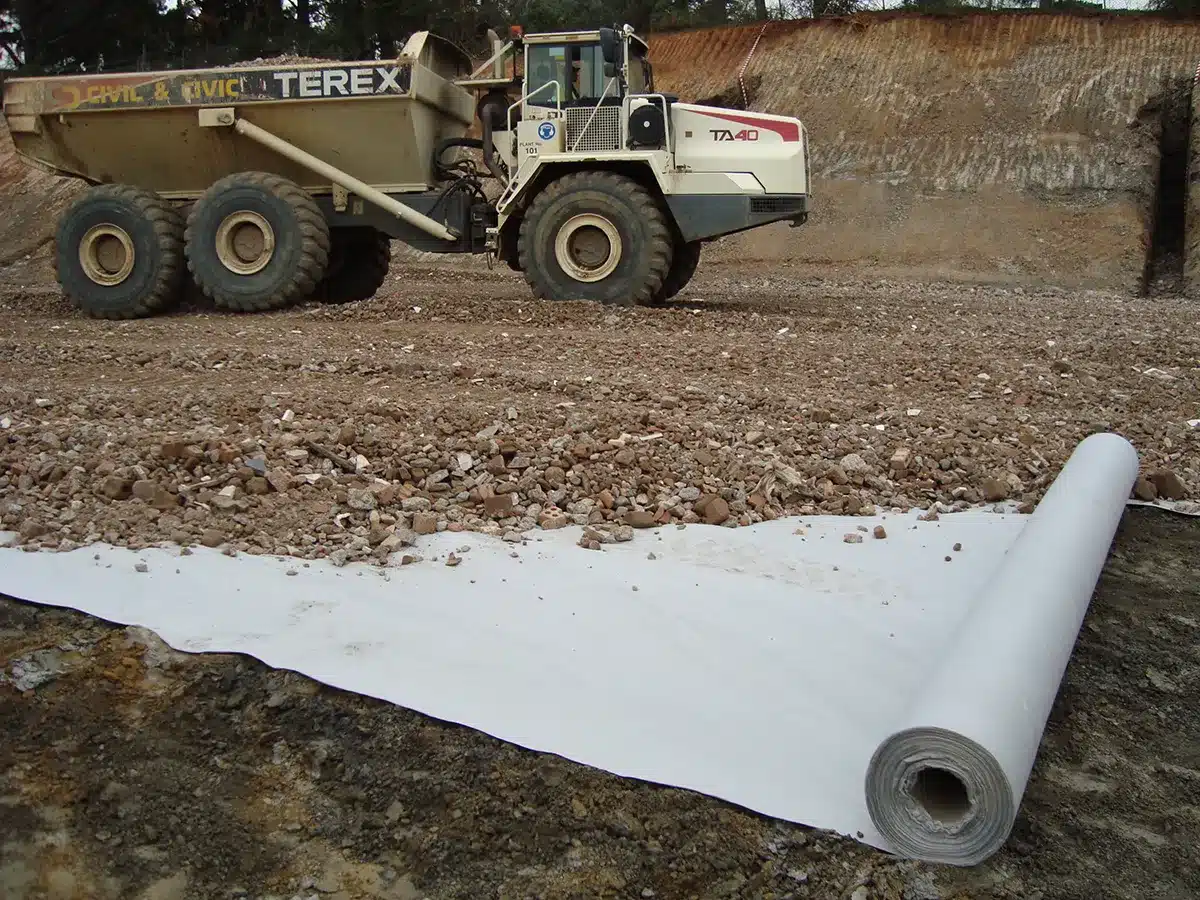
How to Install Geotextile Fabric for Enhanced Construction Stability?
You need fasteners that can handle water flow and soil movement. Heavy-duty galvanized staples are your baseline, but I strongly recommend adding a washer if the fabric is lightweight. The water will try to lift the fabric from underneath, and a washer prevents the staple from pulling through. Space your fasteners every 12 to 18 inches along the edges and every 24 inches in the field. Overlap your fabric seams by at least 12 inches and staple both layers together. This creates a continuous sheet that water can't get under.
For Livestock Areas and Heavy Traffic
This is where you need to over-engineer. Animals are destructive. They paw, they rub, they create concentrated loads. Use screw-in ground anchors at the corners and every 4 feet along the perimeter. In the middle of the pad, use U-shaped sod pins with washers. I've seen a 1,200-pound steer walk across a properly anchored fabric pad without shifting it an inch. The secret is to bury the edges of the fabric in a shallow trench—about 6 inches deep—and backfill with soil. The fasteners hold the surface, but the buried edge is your insurance policy.
For Weed Barrier in Crop Rows
If you're using geotextile fabric as a weed barrier in a vegetable or berry operation, your priorities shift. You need fasteners that are easy to remove and reinstall for crop rotation. Biodegradable wooden stakes are perfect here. Drive them at the corners and every 3 feet along the edges. They'll hold for a full growing season, and when you pull the fabric, the stakes break apart or rot in place. No metal to retrieve, no rust to contaminate your soil. It's a clean, efficient system that saves labor.
Common Questions About the Best Fasteners for Geotextile Fabric in Farm Treatment

Geo fabric Installation - BPM Geotextile
How many fasteners do I need per square foot?
For most farm treatment applications, plan on one fastener every 2 to 3 square feet. That means roughly 4 to 6 fasteners per 4x8 sheet of fabric. Increase density on slopes, in high-wind areas, and along seams. I always buy 20% more than my calculation suggests. You'll hit rocks, bend a few, and want extras for adjustments. It's cheap insurance.
Can I use rebar pins instead of commercial fasteners?
You can, but I don't recommend it for long-term installations. Rebar is smooth, so it doesn't grip the soil well. It also rusts quickly and can stain the fabric or soil. If you're in a pinch, use 12-inch lengths of #4 rebar and drive them at an angle. But honestly? Spend the few extra dollars on proper galvanized staples. Your back will thank you when you're not re-staking the whole job next year.
Do I need to overlap the fabric at the seams?
Absolutely. Overlap by a minimum of 12 inches for light-duty applications and 18 inches for heavy-duty farm treatment areas. Staple both layers together every 6 inches along the overlap. This prevents the fabric from separating under load and stops soil from migrating through the gap. I've seen entire installations fail because someone skimped on the overlap. Don't be that person.
What's the best tool for driving fasteners?
A 3-pound hand maul is my standard tool. It gives you enough weight to drive a staple deep without the rebound of a heavier sledgehammer. For screw-in anchors, use a cordless drill with a hex driver bit and a slow speed setting. For large installations, consider a pneumatic staple gun designed for landscape fabric. It saves your arm and ensures consistent depth. Just make sure the air compressor can keep up with the demand.
How do I remove old fasteners without damaging the fabric?
Use a flat pry bar or a staple puller. Slide the tool under the crown of the staple and lever it up gently. Don't yank—you'll tear the fabric. If the staple is rusted or stuck, cut it with bolt cutters and pull the two halves separately. For screw-in anchors, reverse the drill and back them out slowly. Patience is the key here. Rushing this step will cost you a new roll of fabric.

Post a Comment for "Brilliant Tips About Best Fasteners For Geotextile Fabric In Farm Treatment"
Post a Comment