Awesome Info About Hygiene Issues Caused By Neglected Dog Grooming
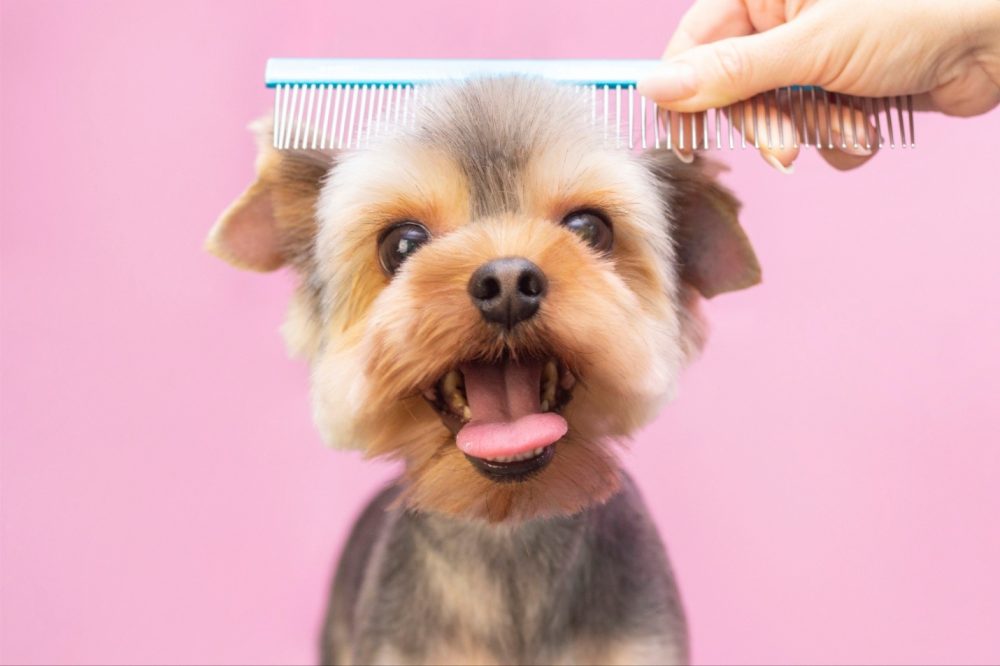
5 Dog Grooming & Hygiene Tips You Must Know 2026
So you think skipping a few grooming sessions is no big deal? I’ve seen the aftermath of that mindset more times than I care to count. Over a decade of working hands-on with dogs, cats, and everything in between has taught me one hard truth: hygiene issues caused by neglected dog grooming aren’t just cosmetic problems. They’re real medical threats that can make your best friend miserable, and honestly? They can make your home smell like a biology experiment gone wrong.
Let’s get into the nitty-gritty. We’re talking about the stuff that happens when you let the brush sit in the drawer for too long, when you forget to clean those floppy ears, or when you assume the “self-cleaning” myth applies to your dog’s nails. Spoiler: it doesn’t.
The Grim Reality of Matted Coats and Skin Infections
You’ve seen those dogs with fur that looks like it’s been through a blender? That’s not just a bad hair day. That’s a matted coat — and it’s a breeding ground for hygiene issues that can spiral fast. When hair tangles and tightens against the skin, it traps moisture, dirt, and dead skin cells. The result? A warm, damp environment that bacteria and fungi absolutely love.
I once treated a Golden Retriever whose owner thought “he’s just a little scruffy.” Under those mats, we found a full-blown pyoderma — a bacterial skin infection that required weeks of antibiotics and medicated baths. The dog had been in pain for months, but because the mats hid the redness and oozing, nobody noticed until the smell became impossible to ignore. Seriously, the odor was the giveaway.
And don’t get me started on the matting around the face. Eye discharge, food crumbs, and saliva get stuck, leading to conjunctivitis and painful skin folds. Regular brushing and professional grooming aren’t vanity—they’re preventive medicine.

Dog Hygiene at the Grooming Salon | Premium AI-generated image
Why “Just a Little Mat” Is Never Just a Little
Here’s where I get a bit pedantic, but stick with me. Even small mats can act like tourniquets. They cut off circulation to the skin beneath, causing tissue damage that often requires shaving under anesthesia. I’ve seen dogs come in with mats so tight they’d caused deep pressure sores. The owners? Shocked. They thought brushing once a month was enough.
The fix isn’t just a brush. You need a systematic approach: daily combing for long-coated breeds, regular trims for double-coated dogs, and professional grooming every 4–6 weeks for most breeds. Neglect that, and you’re signing up for hygiene issues caused by neglected dog grooming that could’ve been avoided with 10 minutes of work a week.
Ear Infections: The Silent Stink Bomb
Ear infections are one of the most common hygiene issues I see, and they’re almost always tied to poor grooming habits. Floppy-eared breeds like Cocker Spaniels, Basset Hounds, and Labradors are especially prone. When you don’t clean the ears regularly or keep the hair around the ear canal trimmed, wax and moisture build up. That’s a five-star resort for yeast and bacteria.
I remember a client who complained that her dog’s ear smelled like “old cheese and vinegar.” Classic yeast infection. The dog was shaking his head constantly, scratching until his ear flap was raw. A simple ear cleaning routine and some plucking of excess hair could have prevented it entirely. But because grooming was neglected, we ended up with a chronic infection that required ear drops, systemic antifungals, and a cone of shame for two weeks.
What to Look For

How Grooming Can Improve Your Dog's Health | The Brooklyn
Regular ear cleaning (once a week for most breeds) and keeping the ear canal hair-free are non-negotiable. Yes, some dogs hate it. But trust me, they hate ear infections more.
Dental Disasters: More Than Bad Breath
Let’s talk about the mouth. Did you know that neglected dog grooming includes dental care? Most people don’t think about it that way, but it’s true. Tartar buildup, gingivitis, and periodontal disease are classic hygiene issues that stem from ignoring your dog’s teeth. And it’s not just about fresh breath — oral bacteria can enter the bloodstream and damage the heart, kidneys, and liver.
I had a case where a 7-year-old Maltese needed multiple tooth extractions because the owner thought “dog breath is normal.” It’s not. The dog had advanced periodontal disease with pus draining from the gums. The smell was so bad you could detect it from across the room. After a professional dental cleaning under anesthesia and a week of antibiotics, the dog was a new animal — literally brighter and happier. Pain had been dragging him down for years.

15 Ways You Might Be Encouraging Bad Behavior In Your Dog
Neglect dental grooming, and you’re not just dealing with bad breath. You’re dealing with tooth loss, abscesses, and systemic disease. That’s a big deal.
Nail Neglect: Painful Consequences
Long nails aren’t just a clicky-clack sound on the floor. They’re a mobility and hygiene nightmare. When nails grow too long, they alter the dog’s gait, causing joint stress and arthritis over time. They can also curl and grow into the paw pads — yes, into the flesh. I’ve extracted nails that had grown in a full circle, piercing the pad and creating a chronic infection pocket. That’s a hygiene issue straight out of a horror movie.
The trapped dirt and debris under overgrown nails? Perfect for bacterial growth. The constant pressure on the nail bed? Inflammation and pain. And let’s not forget the risk of torn nails during play — it’s messy, bloody, and requires veterinary intervention.
A Simple Nail Care Routine
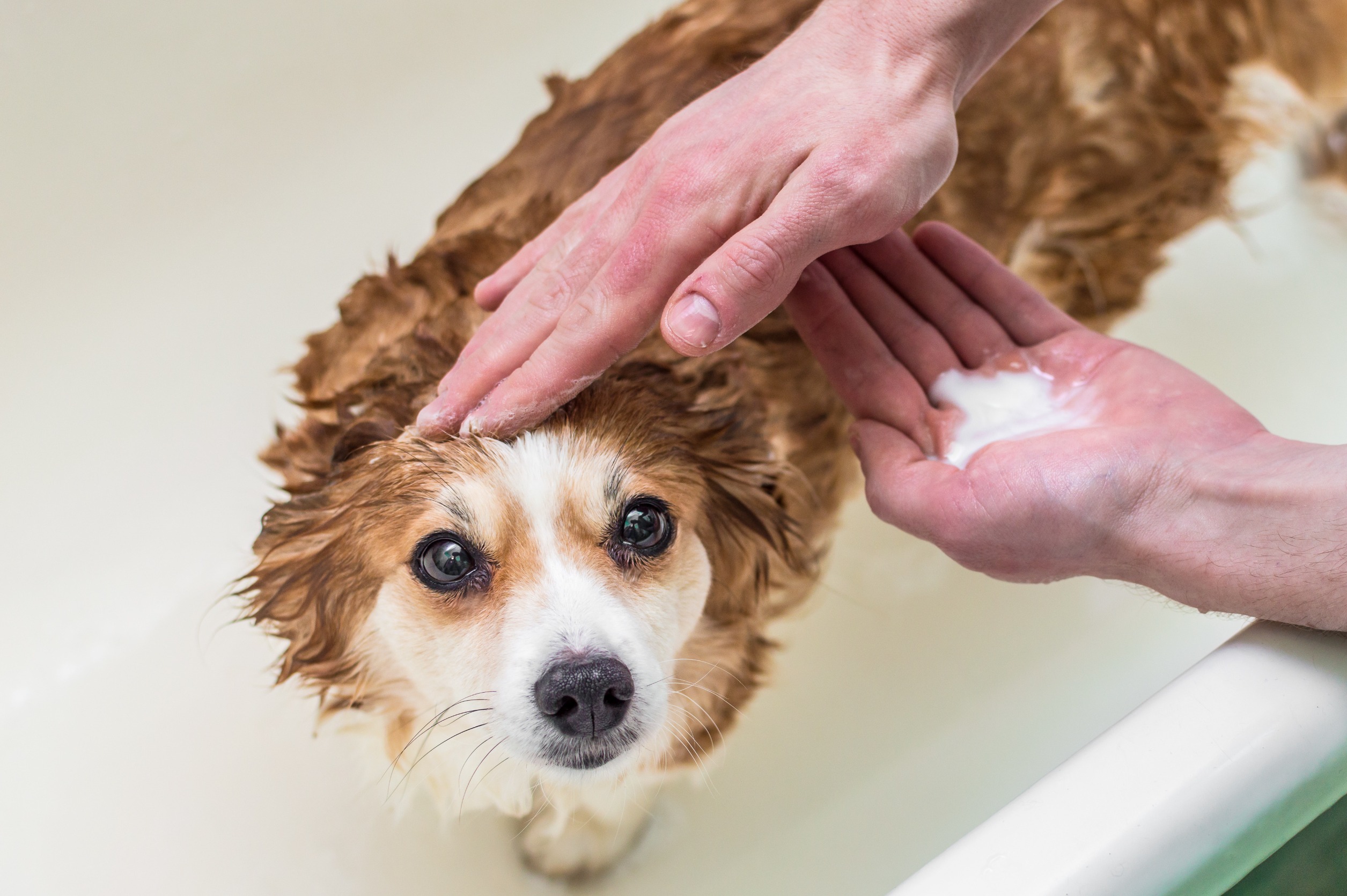
10 Innocent Pet Mistakes Made by Kids That Have Pricey Consequences
Regular nail maintenance isn’t just about your floors. It’s about keeping your dog’s feet healthy and avoiding infections that can turn into months of vet visits.
Anal Glands: The Unspoken Terror
Alright, let’s get real for a second. You know that fishy, metallic smell your dog sometimes leaves on the couch? That’s the anal glands. And when grooming is neglected — especially in small, overweight, or fluffy breeds — these glands can become impacted, infected, or abscessed. I’m telling you, an abscessed anal gland is one of the most painful and foul-smelling conditions you’ll ever encounter.
The problem starts when feces aren’t firm enough to naturally express the glands during bowel movements. But it’s compounded by poor grooming: matted hair around the anus traps secretions, and lack of regular hygiene checks means you don’t notice the swelling until it’s a crisis. Dogs will “scoot” their butts on the floor, lick excessively, or yelp when pooping.
Prevention is straightforward:Don’t ignore the scoot. Don’t assume it’s worms. Most of the time, it’s hygiene issues caused by neglected dog grooming — specifically around the rear end.
Top 5 Grooming Mistakes Pet Owners Should Avoid – GroomMyPet
Common Questions About the Hygiene Issues Caused by Neglected Dog Grooming
How often should I brush my dog to prevent matting?
It depends on coat type. Double-coated breeds like Huskies need brushing 2–3 times a week, while long-haired breeds like Shih Tzus need daily combing. Short-haired dogs can get away with once a week, but don’t skip it — brushing distributes natural oils and removes loose hair that can cause skin irritation.
Can neglected grooming cause serious health problems?
Absolutely. We’ve covered skin infections, ear infections, dental disease, and anal gland issues — but the list goes on. Severe matting can restrict movement and cause circulation problems. Overgrown nails can lead to tendon injuries. Poor dental hygiene can shorten your dog’s lifespan by 2–3 years due to heart and kidney damage. So yes, grooming neglect is a health hazard.
Is professional grooming necessary, or can I do everything at home?
Both have a place. Home grooming (brushing, ear cleaning, nail trims) is essential for daily maintenance. But professional grooming every 4–8 weeks is critical for tasks like sanitary trims, thorough ear plucking, nail grinding, and full-body coat checks. Professionals spot early signs of lumps, infections, and parasites that owners often miss. Think of it like your own haircut — you can trim your bangs at home, but you still see a stylist for the real work.
What’s the first sign that my dog’s grooming is causing a hygiene issue?
It’s usually the smell. A musty, sour, or fishy odor that doesn’t go away after a bath is a huge red flag. Other early signs: excessive scratching, head shaking, scooting, drooling, or visible redness on the skin. If you notice any of these, don’t wait — check the coat, ears, mouth, and rear. Early intervention saves pain, time, and money.
Can I fix matting at home with just a brush?
No, and please don’t try. Trying to brush out severe mats hurts the dog and can break the hair or tear the skin. You’ll need a professional shave-down under sedation if the mats are tight. Prevention is the only safe approach — brush before mats form.
So there you have it. Hygiene issues caused by neglected dog grooming aren’t a joke, and they aren’t rare. Every single case I’ve seen was preventable with a little consistency and the right tools. Your dog can’t call the vet or grab a brush — that’s on you. And honestly, the small effort of regular grooming pays back tenfold in fewer vet bills, a happier pet, and a home that doesn’t smell like a wet sock. Don’t let neglect turn into a nightmare.

Post a Comment for "Awesome Info About Hygiene Issues Caused By Neglected Dog Grooming"
Post a Comment