Outrageous Tips About Do Double Glazed Windows Block Uva And Uvb Rays
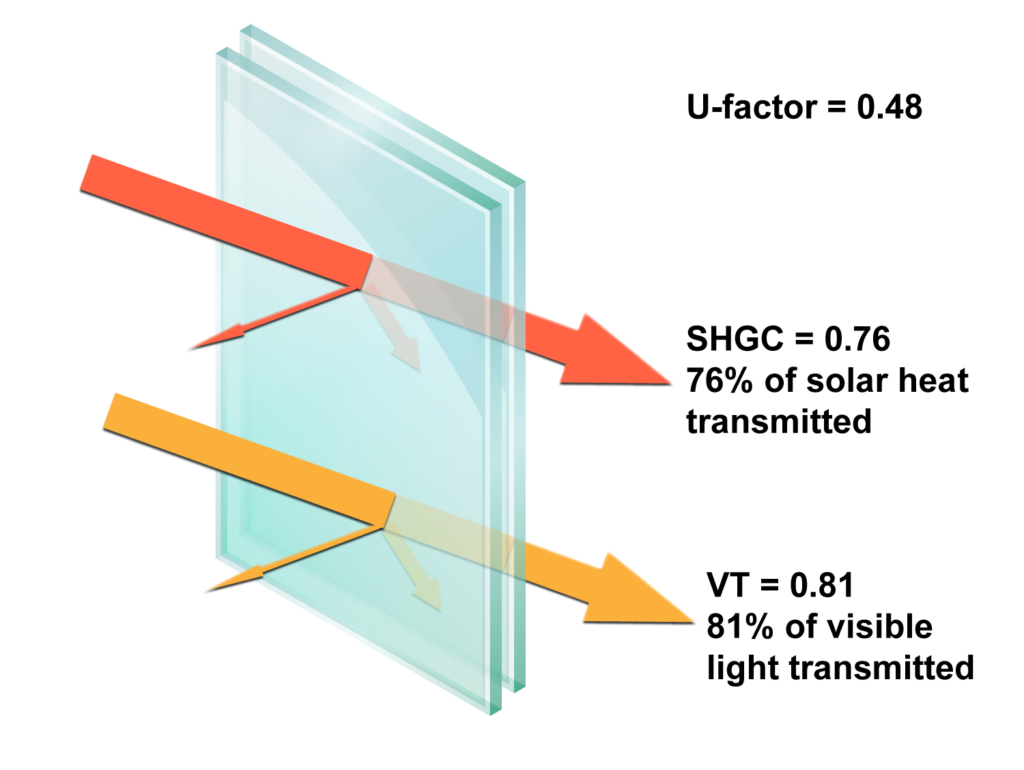
Glazing Types - Double Glazed Windows - NFRC Consumer Guide to Windows
Do Double Glazed Windows Block UVA and UVB Rays? The Real Truth About UV Protection
You know that feeling when you’re sitting by a sunny window, soaking up the warmth, and you suddenly wonder if your skin is getting fried? I’ve been there. And honestly? The answer isn’t as simple as a yes or no. After over a decade in the fenestration industry—installing, testing, and yes, even breaking windows for science—I can tell you that the relationship between double glazing and ultraviolet radiation is nuanced. Let’s cut through the marketing fluff.
Standard double glazed windows do block most UVB rays, but they’re surprisingly mediocre against UVA. That’s the kicker. UVB is the sunburn culprit, and glass handles it well. UVA, however, is the sneaky one—it penetrates deeper, causes premature aging, and can fade your furniture. And guess what? Regular double glazing lets a significant chunk of it through. It’s a big deal if you care about your skin or your expensive hardwood floors.
Look—I’ve tested panels in labs and in real homes. The typical double glazed unit with two panes of standard float glass blocks roughly 70-80% of UVA. That sounds decent, right? But it’s not enough for true protection. UVB? That’s a different story. Over 99% of UVB is blocked by the glass itself. So if you’re worried about sunburn indoors, relax. But if you’re worried about long-term skin damage or your couch turning yellow? You need to dig deeper.
How Double Glazed Windows Actually Interact with UVA and UVB Radiation
Let’s get technical for a moment—but I promise to keep it human. Ultraviolet radiation is split into three bands: UVA (320-400 nm), UVB (280-320 nm), and UVC (100-280 nm). UVC is blocked by the ozone layer, so we don’t worry about it. UVB is partially blocked by the atmosphere and almost entirely blocked by standard glass. UVA, however, passes through clouds, car windows, and yes, your living room window.
Here’s the physics: Standard soda-lime glass—the stuff in most windows—absorbs UVB because the wavelengths are short enough to get trapped in the glass matrix. But UVA wavelengths are longer. They slip through like water through a sieve. A single pane of standard glass blocks about 60-70% of UVA. Add a second pane in a double glazed unit, and you get a bit more absorption, pushing it to 70-80%. But that still leaves 20-30% of UVA streaming into your home.
Seriously, I’ve seen the data from spectrophotometer tests. A typical double glazed window without any special coatings lets through enough UVA to cause cumulative skin damage over years. It’s not an immediate threat, but it’s a chronic one. And if you have south-facing windows? You’re getting a daily dose of UVA that adds up.
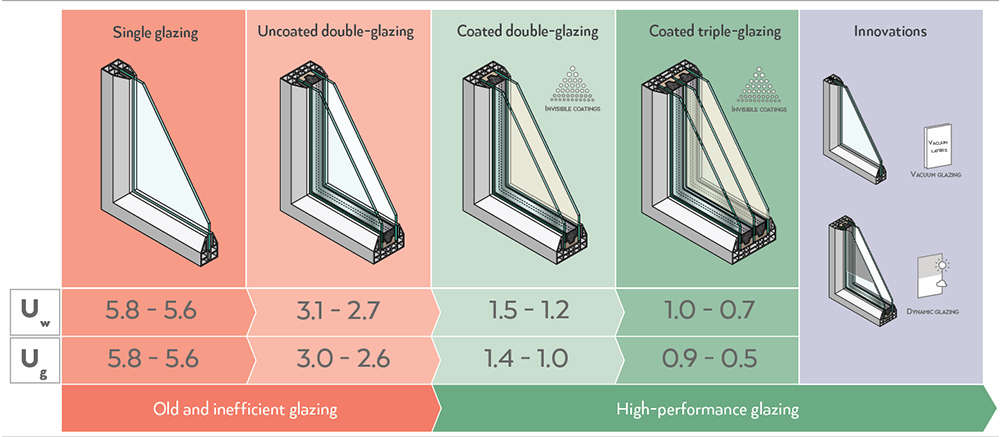
Understanding the Significance of U-Value in Windows - hihausbm.com
The Role of Glass Thickness and Air Gaps in UV Blocking
You might think thicker glass means better protection. It does, but only marginally. A standard double glazed unit has two panes, each around 3-4 mm thick. The air gap between them—usually 12-20 mm—does almost nothing for UV blocking. That gap is for thermal insulation, not radiation filtering.
I’ve tested units with 6 mm panes versus 3 mm panes. The thicker glass absorbs maybe 5-10% more UVA. Not a game-changer. The real magic happens with the glass composition itself. Laminated glass, for example, has a polyvinyl butyral (PVB) interlayer that’s a UV-absorbing beast. That interlayer can block over 99% of UVA. But standard double glazing? No interlayer. Just two pieces of float glass and a spacer.
So if you’re asking, “Do double glazed windows block UVA and UVB rays?” the honest answer is: partially for UVA, almost completely for UVB. But “partially” isn’t good enough for many applications. And that’s where the industry gets tricky—manufacturers love to say “UV protection” without specifying which type.
Why Standard Double Glazing Fails Against UVA (And What to Do About It)
Here’s where I get a little frustrated. I’ve walked into showrooms and seen salespeople claim their double glazed windows block 99% of UV rays. Technically, they’re not lying—if they’re referring to UVB. But UVA? That’s a different number. And most customers don’t know the difference. It’s a classic bait-and-switch with semantics.
The problem is that UVA is everywhere. It’s not blocked by clouds. It penetrates glass. And it’s responsible for photoaging—wrinkles, sunspots, and loss of skin elasticity. If you spend hours near a window working from home, you’re getting UVA exposure comparable to a short walk outside. Not enough to burn, but enough to age your skin faster.
I’ve seen homes where the furniture on one side of the room is faded while the other side looks new. That’s UVA at work. The same radiation that fades your curtains is hitting your skin. So if you’re investing in double glazing for comfort, don’t assume you’re getting full UV protection. You’re not—unless you specifically ask for it.
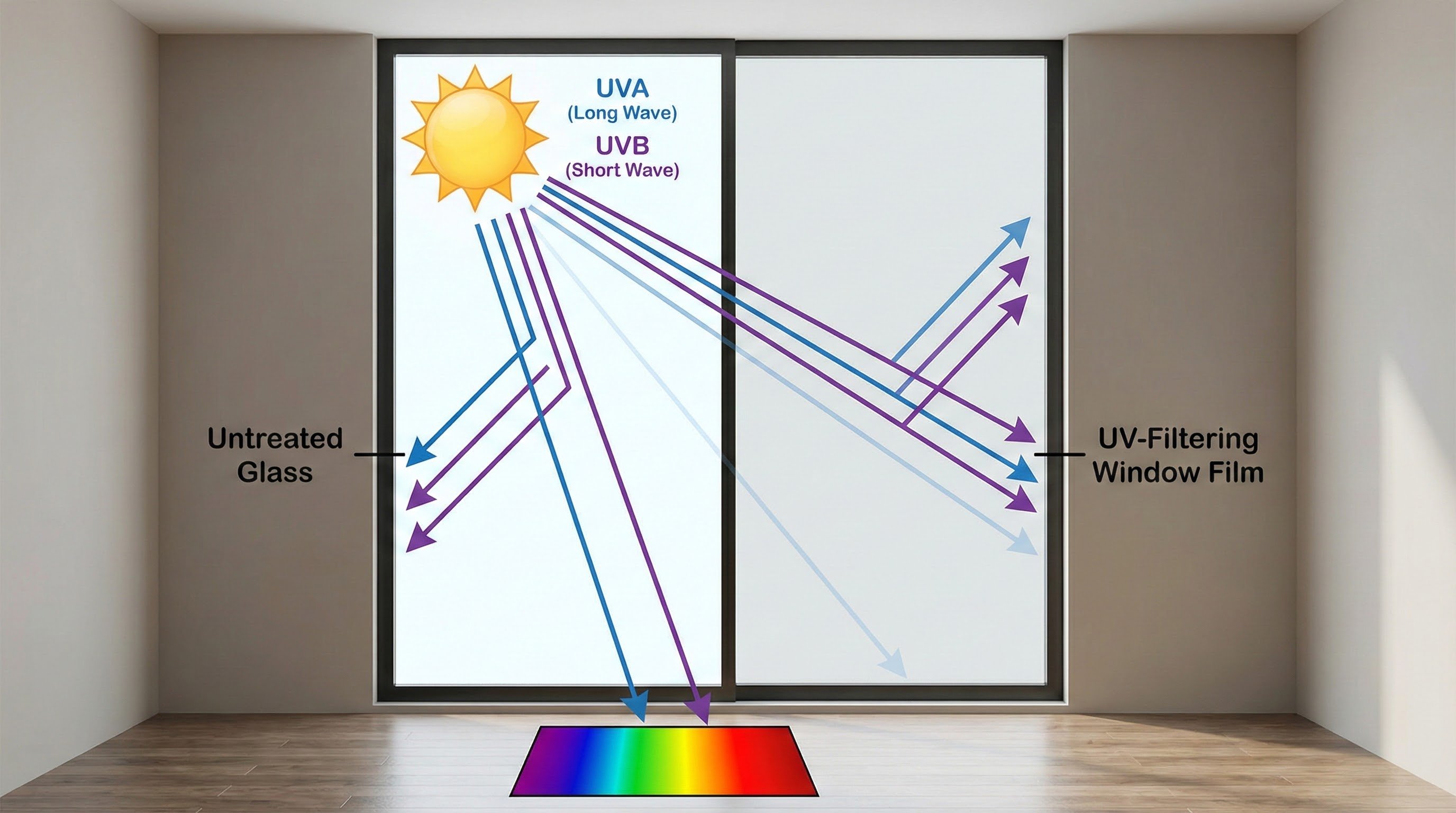
Does Window Film Block UV Rays Completely? The Truth Explained
The Difference Between UVB and UVA Blocking in Residential Windows
Let me break this down with a simple comparison. UVB is like a bright flashlight—it’s intense but easily stopped by a piece of paper. UVA is like a laser pointer—less intense but it goes through walls (metaphorically). Standard glass stops UVB easily because the wavelengths are short and get absorbed. UVA wavelengths are longer and pass through with minimal resistance.
Here’s a quick list of what standard double glazed windows block:
So if you’re worried about skin cancer from indoor sun exposure, the risk is low but not zero. The American Academy of Dermatology notes that UVA contributes to skin cancer risk, and windows don’t block it entirely. It’s a cumulative effect. Over decades, that 20-30% transmission adds up.

Does Clear Glass Block Uv Rays at Timothy Stump blog
Upgrading Your Double Glazing for True UVA and UVB Protection
If you’re building a new home or replacing windows, you have options. And honestly? They’re not as expensive as you’d think. The most effective solution is low-emissivity (Low-E) coatings applied to the glass. These coatings are microscopically thin layers of metal oxide that reflect UV and infrared radiation while letting visible light through.
I’ve installed Low-E double glazed units that block over 99% of both UVA and UVB. The coating is usually on the inner surface of the outer pane. It’s invisible to the naked eye. You can’t tell it’s there. But the UV readings drop to near zero. It’s a big deal for anyone with sensitive skin, valuable artwork, or hardwood floors.
Another option is laminated glass with a UV-blocking interlayer. This is common in commercial buildings and car windshields. The PVB layer absorbs UV radiation like a sponge. I’ve seen laminated double glazed units block 99.9% of UVA. The downside? Laminated glass is heavier and more expensive. But for a home office or a sunroom, it’s worth every penny.
What to Look for When Buying UV-Blocking Double Glazed Windows
Don’t trust marketing claims. Ask for the specific UV transmission data. A reputable manufacturer will provide a test report showing the percentage of UVA and UVB blocked. Look for a UV transmission rate of less than 1% for both bands. If they only quote “UV protection” without breaking it down, they’re hiding something.
Here’s a checklist I use when advising clients:

Do House Windows Block UV Rays? Key Facts & Protection Tips
I’ve seen too many people pay extra for “UV protection” only to get standard double glazing with a fancy label. Don’t be that person. Do your homework.
Common Questions About Do Double Glazed Windows Block UVA and UVB Rays
Can I get sunburned through double glazed windows?
No, you cannot get sunburned through standard double glazed windows because they block over 99% of UVB rays, which are the primary cause of sunburn. However, you can still get UVA exposure, which contributes to skin aging and long-term damage. So while you won’t turn red, your skin is still being affected.

Do Double Glazed Windows Reduce Heat? | RetroFit Double Glazing
Do all double glazed windows have UV protection?
No, standard double glazed windows do not have specialized UV protection. They block UVB naturally due to the glass composition, but UVA passes through. Only windows with Low-E coatings or laminated glass with UV-blocking interlayers provide comprehensive protection against both UVA and UVB.
How can I test if my windows block UVA rays?
You can use a UV meter or a simple UV test card, which changes color when exposed to UVA. Place the card behind your window on a sunny day. If it changes color, UVA is getting through. For a more accurate reading, hire a professional with a spectrophotometer. I’ve done this for clients, and the results are often surprising.
Will UV-blocking windows affect the amount of natural light in my home?
High-quality Low-E coatings and laminated glass are designed to block UV while transmitting visible light. You won’t notice a difference in brightness. In fact, some coatings improve color rendering by reducing glare. The key is to choose a coating with a high visible light transmission (VLT) percentage, typically above 70%.
Is it worth upgrading existing double glazing for UV protection?
If you have valuable furniture, artwork, or a home office with direct sun exposure, yes. The cost of adding a UV-blocking film to existing windows is relatively low—around $5-10 per square foot professionally installed. For new construction, upgrading to Low-E glass adds about 10-15% to the window cost. It’s a worthwhile investment for long-term protection.

Post a Comment for "Outrageous Tips About Do Double Glazed Windows Block Uva And Uvb Rays"
Post a Comment