Amazing Info About Building Codes For Roofing Paper And Metal Flashing Installation
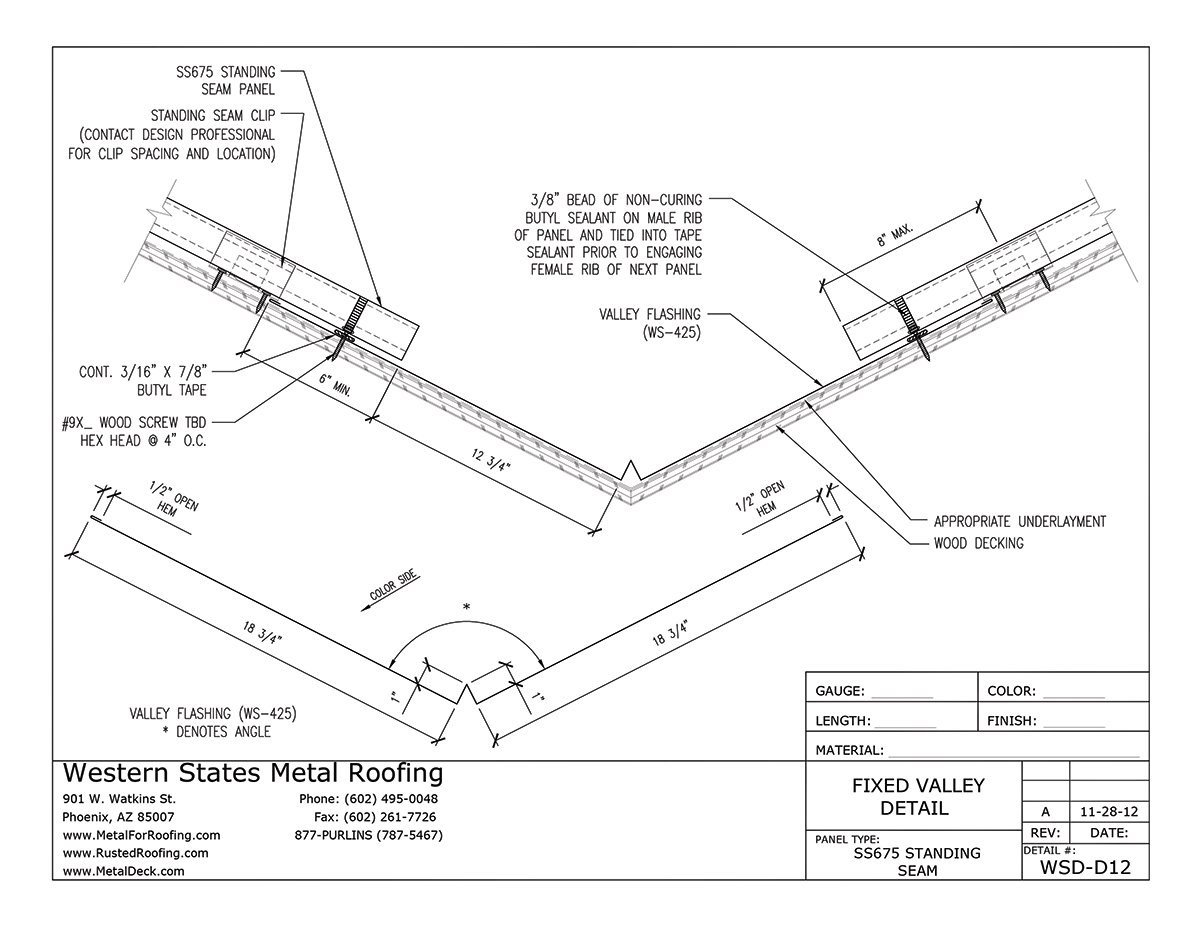
Metal Roof Flashing Details
Building Codes for Roofing Paper and Metal Flashing Installation: What Every Pro Needs to Know
You know that sinking feeling when you peel back a layer of old roofing and find rot, rust, or water damage that shouldn't be there? I've seen it more times than I care to count over my fifteen years in the field. And nine times out of ten, the culprit isn't the shingles or the metal panels themselves—it's what happened underneath. The building codes for roofing paper and metal flashing installation exist for a reason, and ignoring them is like playing Russian roulette with a building's entire structure. Seriously.
I've worked on everything from tiny residential sheds to massive commercial flat roofs, and I can tell you this: the difference between a roof that lasts thirty years and one that fails in five often comes down to how well you understand and apply these codes. It's not glamorous work. But it's essential.
Let's cut through the noise. No corporate jargon. No robotic checklists. Just practical, hard-won knowledge about what the codes actually require and why they matter.
The Real Purpose Behind Roofing Paper and Flashing Codes
Most people think building codes are just bureaucratic red tape designed to slow down a job. Look—I get it. I've stood on a hot roof in July cursing under my breath at a code requirement that seemed pointless. But here's the truth: building codes for roofing paper and metal flashing installation are the accumulated wisdom of thousands of failures. Every requirement exists because someone, somewhere, watched a roof fail catastrophically.
The primary goal is water management. Water is relentless. It finds the tiniest gap, the smallest misalignment, the most minor oversight. Roofing paper (also called underlayment) acts as a secondary barrier—your last line of defense when the primary roofing material fails. Metal flashing directs water away from vulnerable joints, valleys, chimneys, and walls. Together, they form a system that keeps the building envelope dry.
But here's where it gets interesting: the codes aren't static. They evolve based on new materials, better testing methods, and lessons learned from natural disasters. The International Building Code (IBC) and International Residential Code (IRC) are the big dogs, but local amendments can throw curveballs. I once worked a job in a coastal county where the wind uplift requirements were triple what the standard code demanded. Why? Because they'd learned the hard way after a hurricane.
Why Proper Underlayment Matters More Than You Think
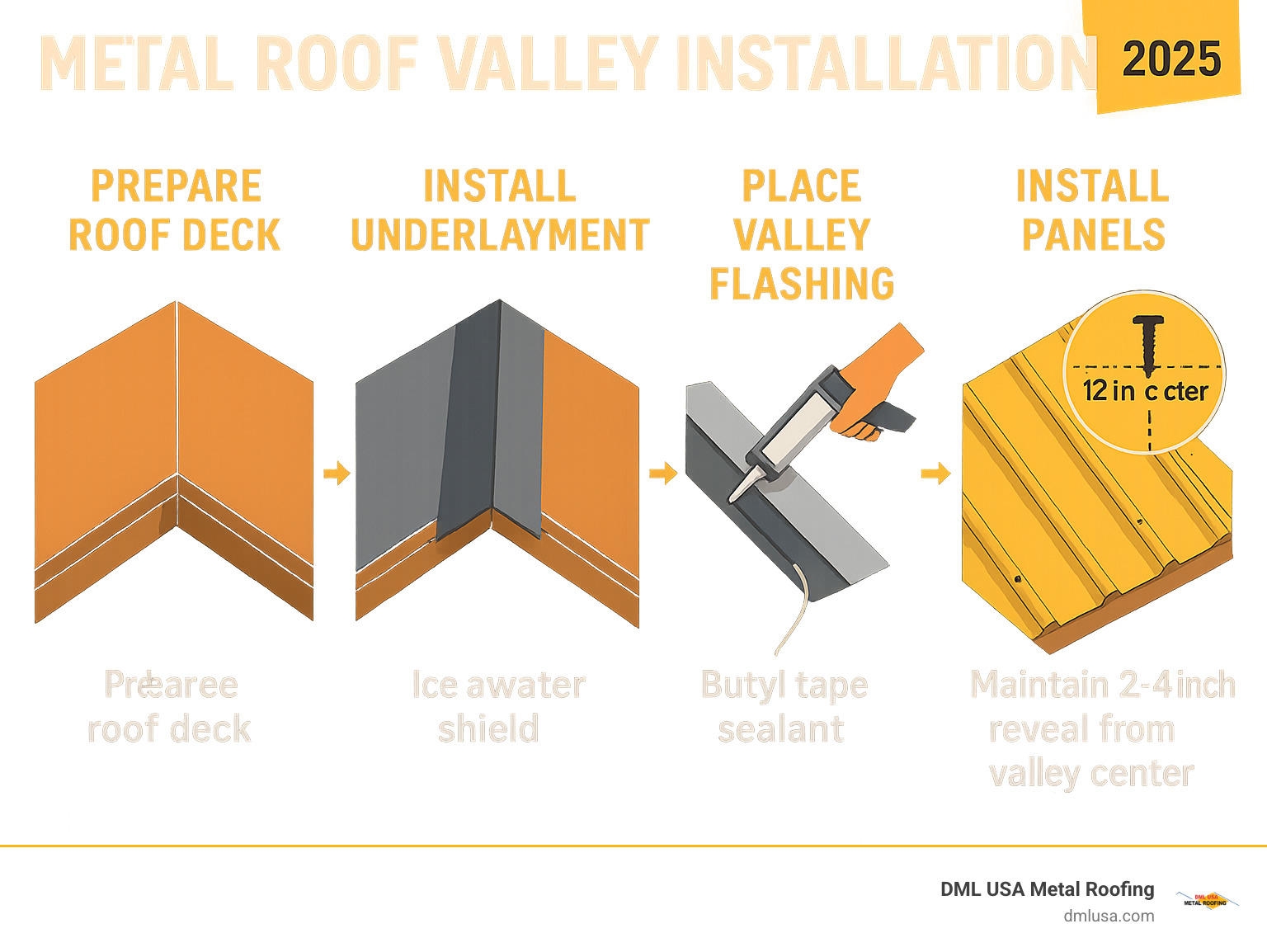
Metal roof valley installation: 4 Pro Steps
I'll never forget the time I stripped a roof that was only seven years old. The shingles looked fine from the outside. But underneath? The roofing paper had disintegrated into something resembling wet cardboard. The decking was black with mold. The homeowner had saved two hundred bucks by letting a contractor use the cheapest felt paper available. That repair cost them twelve thousand.
The code is specific about underlayment for good reason. It's not just about having something between the deck and the shingles. It's about having the right something. The IRC requires at least one layer of underlayment for most residential applications, but the type and weight vary by roof slope and climate zone. For low-slope roofs (anything under 4:12 pitch), you're looking at a minimum of two layers of underlayment, often with self-adhering membrane at the eaves.
Here are the key code requirements you absolutely cannot ignore:
I've seen contractors try to stretch a roll of 15-pound felt to cover more area by reducing laps. Don't do it. The inspector will catch it, and more importantly, the roof will fail. It's that simple.
Metal Flashing: The Unsung Hero of Roof Longevity

Metal Roof Flashing Details Metal Roof Valley Flashing
If roofing paper is the safety net, metal flashing is the tightrope walker. It's the component that handles the most vulnerable transitions on a roof—where the plane changes, where materials meet, where water concentrates. And the building codes for roofing paper and metal flashing installation treat flashing with the seriousness it deserves.
The code requires flashing at all roof intersections, including chimneys, skylights, vents, walls, and valleys. But here's the kicker: the material matters. Galvanized steel, copper, aluminum, and stainless steel are all acceptable, but they have different lifespans and compatibility requirements. Mixing metals can cause galvanic corrosion. I've seen aluminum flashing eat through galvanized steel in less than five years because someone didn't check the compatibility.
The installation details are where most mistakes happen. Let me break down the critical code requirements:
One thing that drives me crazy? Seeing flashing installed without proper fasteners. The code specifies corrosion-resistant fasteners at 12 inches on center, staggered. And no—roofing nails with neoprene washers are not acceptable for metal flashing. Use the right screws or ring-shank nails.
Common Installation Mistakes That Violate Code
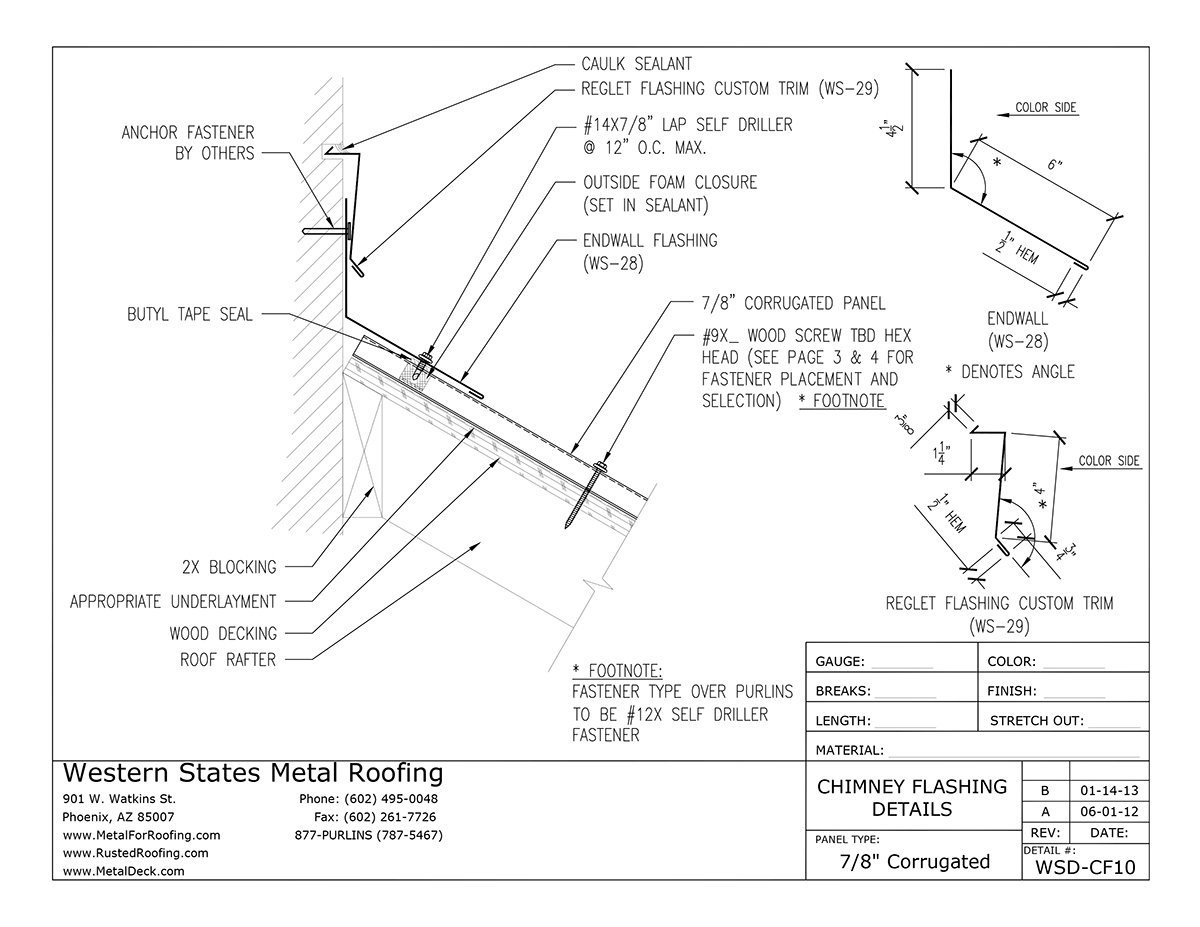
Flashing And Counterflashing Details at Indiana Seery blog
I've been on hundreds of job sites, and I can spot a code violation from the street. Honestly? Some of these mistakes are so common that even experienced crews make them. But ignorance isn't an excuse when the inspector shows up.
The first big one is improper roofing paper alignment. I see crews starting at the ridge and working down, which means the laps face uphill. Water runs downhill. If your laps face uphill, water gets driven under the underlayment. The code requires starting at the eave and overlapping each successive course over the one below it. It's basic water shedding.
Another classic error is failing to prime the substrate before installing self-adhering membrane. The code doesn't explicitly say 'prime the deck' in every jurisdiction, but the manufacturer's instructions do—and those become code requirements once you're using that product. I've watched guys roll out sticky membrane on dusty, dirty decks and wonder why it peels up in a month.
For metal flashing, the most common violation is inadequate fastening at the top edge. Flashing needs to be secured at both the exposed edge and the concealed edge. If you only nail the bottom, wind can lift the top and create a gap. Water loves gaps.
Here's a quick list of violations I see weekly:

Metal Roof To Wall Flashing Detail Concrete
How Climate Zones Change the Requirements
One size does not fit all when it comes to building codes for roofing paper and metal flashing installation. The IRC divides the United States into climate zones, and each zone has specific requirements that reflect local weather patterns.
In cold climates (Zones 5 and above), ice dam protection is non-negotiable. The code requires self-adhering membrane extending from the eave edge to at least 24 inches past the interior wall line. But here's a pro tip: I always extend it 6 feet up the roof, regardless of what the minimum says. Why? Because ice dams don't read code books. They form where the warm interior meets the cold exterior, and that line moves.
In hot, humid climates (Zones 1-3), the focus shifts to ventilation and moisture management. The underlayment must be breathable enough to allow trapped moisture to escape, but robust enough to resist wind-driven rain. Some codes in these zones require a vapor-permeable underlayment to prevent condensation within the roof assembly.
Wind zones are another factor. In hurricane-prone areas, the code requires enhanced fastening schedules for both roofing paper and metal flashing. We're talking closer fastener spacing, larger washers, and in some cases, fully adhered membranes instead of mechanically fastened ones. I've seen roofs in Florida where the underlayment is essentially glued to the deck with a continuous bead of adhesive. It's overkill for most places, but in a Category 4 storm, it's the difference between a roof and a projectile.
The Inspection Process: What They're Looking For
You've done the work. You've followed the building codes for roofing paper and metal flashing installation to the letter. Now the inspector shows up. What are they going to check?
First, they'll look at the underlayment. They want to see proper laps, correct fastening, and the right material for the climate zone. They'll check for tears, wrinkles, or gaps. If they see a patch of exposed deck, they'll flag it. If the underlayment isn't properly secured at the edges, they'll flag it.
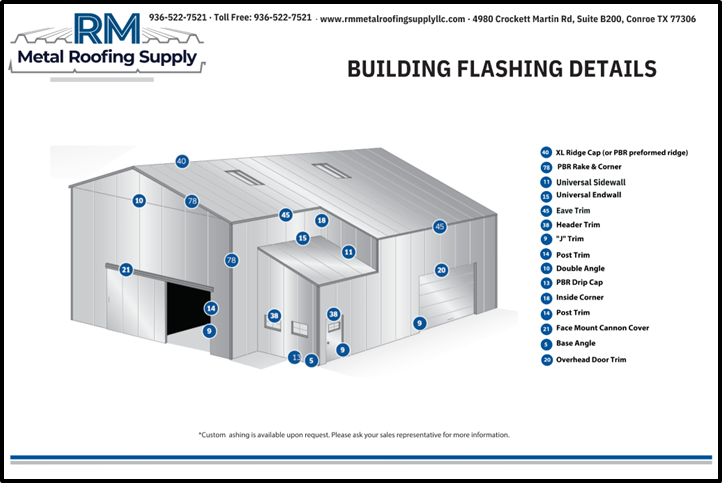
Metal Roof Trim/Flashing | RM Metal Roofing Supply
Then they move to the flashing. They'll check every penetration—every vent pipe, every skylight, every chimney. They want to see step flashing integrated with the siding or masonry. They want to see counterflashing properly embedded. They'll look for gaps at the top of the flashing where water could get behind it.
Here's something most people don't realize: inspectors are looking for workmanship as much as code compliance. A sloppy installation that technically meets code might still fail if the inspector deems it 'not in accordance with accepted trade practices.' That's a catch-all that gives them discretion. So take pride in your work. Make it look good. It matters.
I always tell my crews: 'Install it like you're going to live in that house for the next thirty years.' Because honestly? The code is the minimum. The best work exceeds it.
Common Questions About Building Codes for Roofing Paper and Metal Flashing Installation
What is the minimum overlap for roofing paper underlayment?
The International Residential Code requires a minimum 4-inch horizontal overlap and 6-inch vertical overlap for standard underlayment. For low-slope roofs (under 4:12 pitch), these requirements increase to 6 inches horizontal and 12 inches vertical. Self-adhering membranes typically require a 3-inch overlap at the seams, but always check the manufacturer's instructions because they supersede the general code.
Can I use synthetic underlayment instead of felt paper?
Yes, and in many cases it's actually preferred. Synthetic underlayment meets ASTM D4869 or D8252 standards and offers better tear resistance, UV protection, and slip resistance than traditional felt. However, some local codes still require felt paper for specific applications, particularly in historic districts or for certain insurance requirements. Always verify with your local building department before substituting.
Do I need metal flashing around every roof penetration?
Yes. The code requires metal flashing at all roof penetrations, including vent pipes, plumbing stacks, skylights, chimneys, and mechanical units. For small penetrations like vent pipes, a pre-formed rubber boot with a metal flange is acceptable. For larger penetrations, custom-fabricated metal flashing is required. There are no exceptions for 'small' penetrations—water doesn't discriminate.
How often should metal flashing be fastened?
The code requires fasteners at 12 inches on center along both the exposed and concealed edges of metal flashing. Fasteners should be staggered to prevent splitting the material. For high-wind zones, this spacing may be reduced to 6 inches on center. Use corrosion-resistant fasteners specifically rated for metal flashing—standard roofing nails will rust and fail.
What happens if I don't follow the building codes for roofing paper and flashing?
The immediate consequence is a failed inspection, which delays your project and costs you money. But the real risk is long-term failure. Improperly installed underlayment and flashing are the leading causes of roof leaks, wood rot, mold growth, and structural damage. In severe cases, insurance companies may deny claims if they determine the installation didn't meet code. And if you're a contractor, you're looking at liability issues that could bankrupt your business. It's not worth the shortcut.

Post a Comment for "Amazing Info About Building Codes For Roofing Paper And Metal Flashing Installation"
Post a Comment