Looking Good Info About Best Portable Adsb Out Transponders For General Aviation
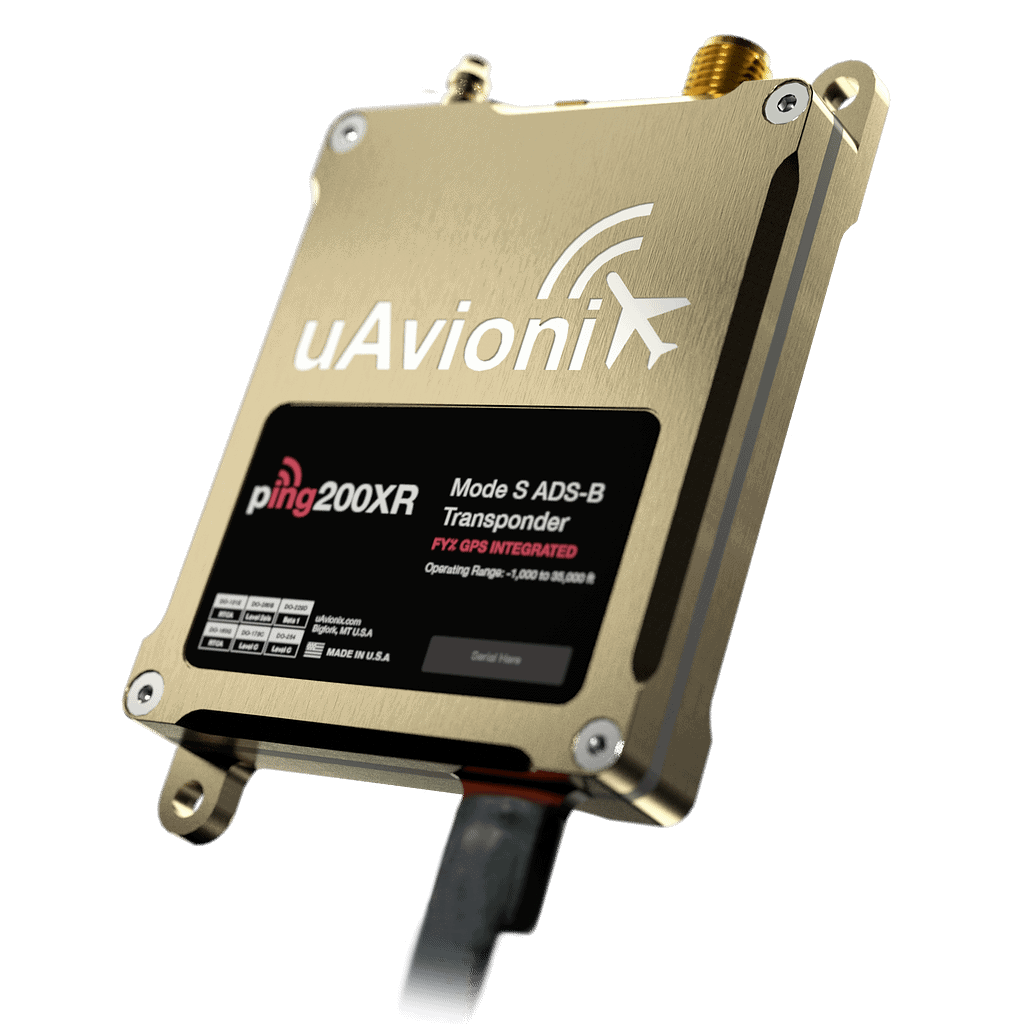
Mode-S Transponders | ADS-B Receivers | IFF Mode 5 | UAV Autopilots
Best Portable ADSB Out Transponders for General Aviation
Look—I’ve been flying GA aircraft for over a decade, and I remember the panic when the 2020 ADS‑B Out mandate hit. Everyone scrambled. Some guys spent $15,000 ripping out their old transponder. Others went the portable route. And you know what? A solid portable ADSB Out transponder can save your bacon—and your wallet—if you know what you’re doing.
Seriously, the market is flooded with options, but not all of them are worth the aluminum they’re stamped on. I’ve installed, tested, and flown with half a dozen of these units in everything from an RV‑8 to a clapped out Cessna 152. So let me walk you through the best portable ADSB Out transponders for general aviation, the gotchas nobody talks about, and the one thing that will keep you on the right side of the FAA.
Why you shouldn’t just grab the cheapest one? We’ll get there. But first, let’s talk about why you’d even consider portable.Why You Might Want a Portable ADSB Out Transponder (and Not a Fixed One)
The Mandate and the Reality Cheque
FAA’s 2020 mandate is old news. Yet I still meet pilots flying into Class B airspace with nothing but a Mode C and a prayer. If you’re flying an experimental or an older certified bird, retrofitting a panel‑mount transponder can cost more than the airplane’s value. That’s where a portable ADSB Out transponder comes in. It’s not a permanent modification. It’s a temporary solution that, if done right, meets the performance requirements.
But here’s the kicker–the FAA didn’t design their rule around portables. You have to comply with TSO C‑166b or an approved equivalent. Some portables are TSO’d. Others rely on a “non‑required” loophole. Honestly? If you’re flying a certificated aircraft, you need to check your specific model’s approval. An portable ADS‑B Out transponder that works perfectly on an experimental might get you a nastygram from the FAA on a 172.
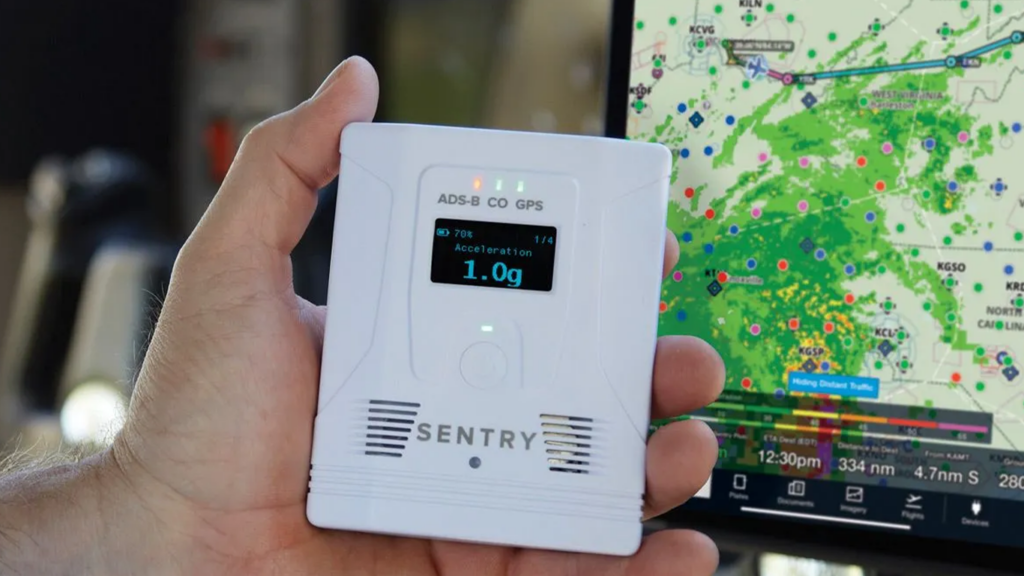
ADS-B In Receivers | Aircraft Surveillance & GPS Receivers
Portable vs. Installed – The Tradeoffs You Need to Know
I’ll give it to you straight: a fixed, panel‑mounted transponder is usually more reliable. It’s tied into your ship’s power, it has a proper external antenna, and it’s certified out of the box. But portable units? They’re lighter, cheaper, and you can take them from one plane to another. Perfect if you rent or share a hangar.
The tradeoffs are real though. Battery life sucks on some models. And mounting? You can’t just slap it on the glareshield and call it a day. A portable ADS‑B Out transponder needs a WAAS GPS source (often internal) and an antenna with good sky view. I’ve seen guys lose signal because they mounted it under a composite wing. Don’t be that guy.
One more thing: if you ever sell your airplane, a portable transponder doesn’t stay with it. That’s a pro or a con depending on your situation.Top Portable ADSB Out Transponders We’ve Actually Flown With
uAvionix SkyBeacon – The Wingtip Wonder
The SkyBeacon is basically a replacement nav light that includes a portable ADSB Out transponder. I’ve flown with this thing for three years. Installation? You literally remove your existing wingtip light, screw in the SkyBeacon, and run a single wire to the transponder’s coax. It’s compliant with TSO C‑166b and has an internal WAAS GPS. No external antenna needed. That’s huge.
But here’s the catch–it only works on aircraft with standard nav light mounting holes. If your plane uses recessed lights or oddball mounts, you’re out of luck. Also, it’s only for the left wingtip. If you have a tailwheel or a weird electrical system, double check compatibility. Still, for sheer ease of use, this is the best portable ADSB Out transponder for most single‑engine Pipers and Cessnas.

ADS-B Transponders for Military Aircraft and Unmanned Platforms
TailBeacon – For the Tail‑Mounted Crowd
Same company, same tech, different location. The TailBeacon mounts on your tail’s position light. It’s perfect for aircraft where a wingtip installation is awkward–like a Beechcraft Bonanza or a Cirrus. It also works on RVs with an appropriate tail light bracket. I’ve installed two of these. One took 20 minutes. The other took four hours because the previous owner had glued the original light in place. Seriously.
The TailBeacon is also a portable ADS‑B Out transponder with internal WAAS. No external antenna, no separate GPS receiver. It’s clean. But it’s a bit heavier than SkyBeacon, and on some taildraggers, the antenna orientation can cause a minor blind spot. I’ve never had a loss of signal flying a Citabria, but YMMV.
FreeFlight Systems RANGR – The Upgrade Path
Now, if you want a portable ADSB Out transponder that can become a permanent fixture later, look at the FreeFlight RANGR. It’s a small box you mount inside the aircraft, with an external blade antenna and a remote WAAS GPS. It’s still considered “portable” because it’s not hard‑wired into your panel, but you install it once and forget it.
I’ve used the RANGR on a few experimental aircraft. The performance is rock solid. It’s the only portable I’ve seen that can drive a high‑gain external antenna, giving you better coverage in mountainous terrain. Downside? It’s more expensive, and installation requires running a coax cable and a GPS antenna wire. Not a simple “stick it on the wing” deal.
Honorable mention: The L3 Lynx NGT‑1000 (non‑portable but sometimes confused). I’m not including it because it’s really a panel‑mount. Stick with the three above if you want genuine portability.What to Look for in a Portable ADSB Out Transponder – The Nuts and Bolts

ADS-B Transponder Systems | SSASS
Power, Wiring, and That Dreaded Battery Life
Portable means you’re either on internal batteries or you plug into a cigarette lighter. Battery‑powered units like the SkyBeacon run off the aircraft’s electrical system through the nav light circuit. That’s actually fine–it’s not a battery you have to charge. But if your plane has a weak alternator or you frequently fly night VFR, watch the amp draw. Most draw less than 0.5 amps, but check the spec.
Other units, like some older portables, use rechargeable lithium packs. I’ve seen those die in the middle of an IFR flight. Not fun. Stick with a portable ADSB Out transponder that powers from the aircraft bus. Trust me.
Certification, WAAS GPS, and the FAA’s Little Black Box
Here’s where things get hairy. The FAA requires ADS‑B Out to have a position source accurate to within 30 meters. That means a WAAS GPS. Some portable transponders have a built‑in WAAS receiver (SkyBeacon, TailBeacon). Others need a separate GPS input. If you use an external GPS, ensure it’s TSO’d or at least proven to work. I’ve seen a guy use a Garmin Aera 660 as a GPS source for his portable transponder. It worked, but he had to remember to turn it on every flight. Forget once, and you’re non‑compliant.
Also, check the transponder’s TSO status. Many portable units are not fully TSO’d; they rely on a “non‑required” label. The FAA has issued guidance that portable ADSB Out transponders are allowed in experimental aircraft, but for certified aircraft you need a TSO or an STC. The SkyBeacon has an STC for most Cessna and Piper models. The TailBeacon also has an STC list. Don’t assume.
Pro tip: always keep a copy of the installation manual and the STC in your aircraft documents. FAA ramp checks happen.Installation Gotchas – Because Nothing Is Ever Simple
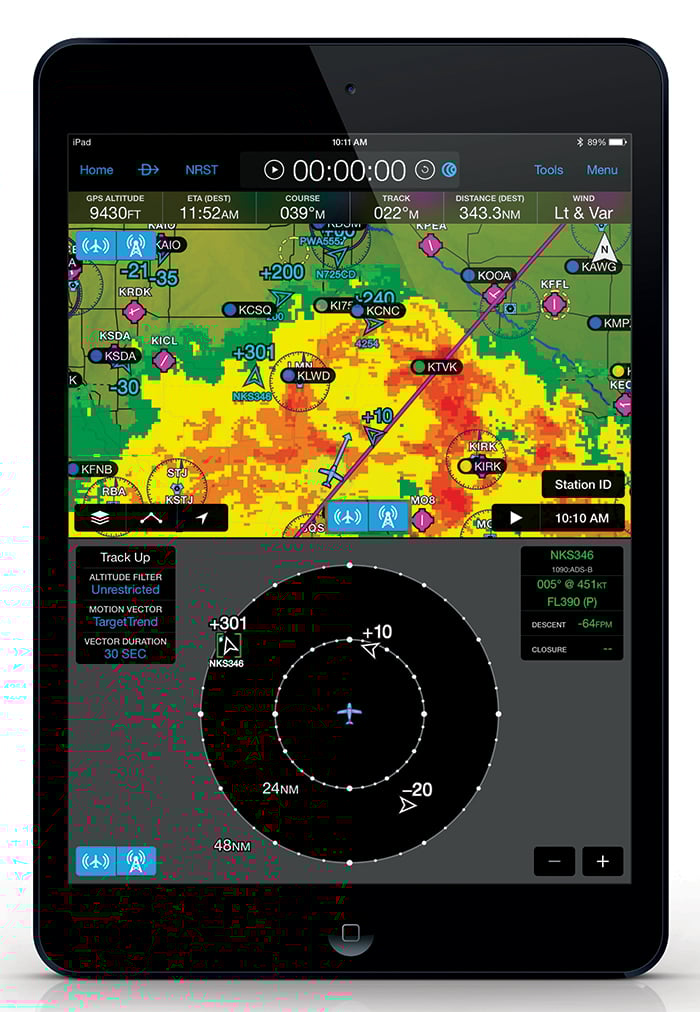
GARMIN GTX345 ADS-B OUT & IN TRANSPONDER | Pacific Coast Avionics
Antenna Placement and Interference
Even a portable ADSB Out transponder needs an antenna that sees the sky. For wingtip units, that’s usually fine. But if you mount a remote box like the RANGR inside the cabin, the antenna placement matters. Avoid mounting under metal wings, behind the engine, or near strobe power supplies. I’ve seen RF interference from a noisy alternator knock out a transponder’s receiver. The solution? Move the antenna 12 inches away. Test before flying.
For internal battery portables that use a stubby antenna, keep the transponder on the glareshield, not in a side pocket. GPS signals are weak; any metal framing above can degrade them. Also, some composite aircraft cause signal blockage. I know an RV‑12 owner who had to move his transponder three times before getting a solid lock.
The Logbook Entry – Do You Need an A&P?
This is a hot potato. For experimental aircraft, you (the owner) can install a portable ADSB Out transponder and make a logbook entry. For certified aircraft, the FAA says any installation that modifies the aircraft requires an A&P signature or IA approval. But many portables are designed as “replacements” for existing lights or positions – they don’t alter the type design. The FAA has historically allowed minor alterations without a 337 form, but I’ve seen different FSDOs interpret it differently.
My advice? If you’re not comfortable, hire an A&P to oversee the install and sign off. It costs a few hundred bucks, but it’s way cheaper than a violation. And always, always ground test the transponder with an ADS‑B tester (like a uAvionix echoUAT) before you fly.
Common Questions About Portable ADSB Out Transponders
Do portable ADSB Out transponders work in Class B airspace?
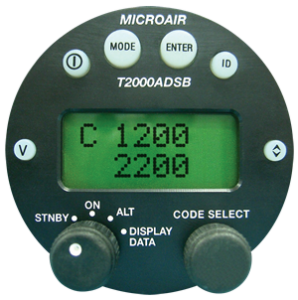
ADSB Transponder - Microair Avionics
Yes, if they meet the performance requirements of 14 CFR 91.225. That means they must broadcast position, altitude, and a unique ICAO code. Most approved models work fine in Class B. But remember – you need a Mode 3/A transponder for Class B anyway. A portable ADS‑B Out transponder often includes Mode S, so you’re covered. Just double‑check it’s certified for the airspace you fly in.
Can I use a portable ADSB Out transponder instead of a fixed installation for a flight review?
Technically, a flight review doesn’t require ADS‑B Out unless you enter airspace that requires it. But if your instructor wants to see the system working, a portable is fine. For instrument proficiency checks (IPC) in controlled airspace, you need a functioning transponder. I’d recommend against depending on a battery‑only portable for an IPC – the battery might die mid‑check. Use a unit powered by the aircraft.
What's the difference between a portable ADSB Out transponder and a portable ADSB In receiver?
A portable ADS‑B Out transponder transmits your aircraft’s position and identity to ATC and other aircraft. A portable ADS‑B In receiver (like a Stratux) only listens to traffic and weather; it doesn’t make you compliant with the mandate. Don’t mix them up. I’ve seen pilots buy a $200 receiver thinking it satisfies the rule. It doesn’t. You need a certified portable ADSB Out transponder for compliance.
How long does installation typically take?
For wingtip units like SkyBeacon – 30 minutes if you’re handy, a couple hours if you have to remove old lights and chase wires. For a remote box like the RANGR, plan on 4–6 hours including antenna mounting and coax routing. Battery‑powered stick‑on transponders? 10 minutes. But those battery units are often not TSO’d and may not be acceptable for certified aircraft. Read the fine print.
Do I need a new ICAO code for each portable transponder?
Yes. Every ADS‑B Out device must have a unique 24‑bit ICAO address assigned to the aircraft. You can use your existing aircraft’s code, but you must ensure only one transponder is transmitting at a time (the portable and any panel‑mount). If you have both, one must be turned off. Some pilots install a switch. I’ve seen guys accidentally transmitting two codes – the FAA doesn’t like that. So pick one and stick to it.
This stuff isn’t rocket science, but the details matter. A well‑chosen portable ADSB Out transponder can keep you legal, safe, and flying without a second mortgage. Now go install it right and enjoy the sky.

Post a Comment for "Looking Good Info About Best Portable Adsb Out Transponders For General Aviation"
Post a Comment