Peerless Tips About How To Use Lowkey And High Key In A Sentence

Difference Between Low Key And High Key Slang at Lindy Rossi blog
How to Use Lowkey and High Key in a Sentence Like a Native Speaker
I remember the exact moment I realized slang had evolved into a linguistic trap. I was in a meeting with a bunch of Gen Z marketing interns, and one of them said, “I’m lowkey excited about this campaign.” My brain froze. Was he secretly excited? Or was he saying the excitement was small? Both interpretations change the whole vibe of the room. It was a mess. And honestly? That moment pushed me to dig into this topic for real. After a decade of studying how language morphs in real-time, I can tell you that how to use lowkey and high key in a sentence isn’t just about memorizing definitions. It’s about understanding tone, context, and that weird little pause people take before they drop one of these words.
Here’s the thing—these two terms have moved way past their original meanings. Lowkey started as a way to describe something secret or understated. Think of it like the word “subtle.” But now? It’s a modifier for intensity. High key is its loud, unapologetic cousin. The tricky part is that people think they know these words until they have to use them naturally. Lowkey and high key are not interchangeable with “a little” or “a lot.” They carry emotional weight and social signaling. If you screw it up, you sound like a bot trying to be cool. That’s why I’m here. Let’s break down the actual mechanics so you can wield these words with precision.
The Real Evolution: From Slang to Staple (And Why It Matters)
Language purists hate this. They see lowkey and high key as cheap internet slang that will die in a year. But the data says otherwise. These terms have been creeping into professional emails, news headlines, and even academic discussions. I’ve seen a hiring manager write, “I’m lowkey impressed by this candidate,” in a Slack message. That’s not casual anymore. That’s a cultural shift. Understanding how to use lowkey and high key in a sentence now gives you social fluency—whether you’re texting a friend or pitching an idea in a boardroom.
The evolution is fascinating. Lowkey spent decades in AAVE (African American Vernacular English) as a descriptor for privacy or stealth. You’d say, “We kept it lowkey,” meaning nobody knew about it. Then social media happened. Twitter and TikTok compressed the meaning. Suddenly, “I’m lowkey hungry” became code for “I’m hungry but I don’t want to make a big deal about it.” The intention shifted from secrecy to understatement. High key followed as the perfect foil. It’s the amplifier. “I’m high key obsessed with this song” means you’re openly, loudly obsessed. No shame. No filter. The pair works like a dimmer switch for your feelings.
Here’s where most people mess up. They treat lowkey and high key as direct synonyms for “slightly” or “extremely.” That’s wrong. Those are quantitative words. Lowkey and high key are qualitative—they describe the posture of your emotion, not just the volume. Saying “I lowkey hate this movie” doesn’t mean you hate it a little. It means you hate it but you’re playing it cool. Maybe you’re hesitant to admit it because your friend loves it. That social nuance is everything. High key doesn’t just mean “a lot.” It means you are fully owning the statement. You want people to know.
I’ll give you a real example from a conversation I overheard at a coffee shop. One guy said, “I’m lowkey thinking about quitting my job.” The other guy nodded and said, “Yeah, I’m high key ready to do the same.” See the difference? The first guy is testing the waters. He’s putting the idea out there without committing to it. The second guy is done. He’s ready to walk. That’s the power of these two words—they encode attitude, not just intensity. Mastering how to use lowkey and high key in a sentence means you can pack a paragraph of context into two syllables. That’s efficiency. That’s skill.

Difference Between Low Key And High Key Slang at Lindy Rossi blog
The Unspoken Rules: When to Use Lowkey vs. High Key
Let’s get practical. You can’t just drop these words anywhere and expect magic. There are rules—unwritten, but real. The first rule is emotional stakes. Lowkey works best when you’re admitting something vulnerable or unconventional. It softens the blow. It says, “I know this might be weird, but here it is.” Use it for confessions, mild opinions, or anything you’re testing out loud. High key is for confidence. It’s for opinions you don’t want questioned. If you say “I high key love pineapple on pizza,” you’re daring someone to argue with you. You’re not just stating a preference; you’re planting a flag.
The Vulnerability Principle: Why Lowkey Protects You
Humans hate looking foolish. That’s why lowkey is such a social lubricant. When you say, “I’m lowkey scared of the dark,” you’re admitting fear without inviting judgment. The word creates a safe distance. The listener understands you’re not fully committed to the statement—you’re just floating it. I see this in dating all the time. Someone says, “I lowkey think we should hang out again.” That’s not desperation. That’s strategy. It leaves room for rejection without the sting. How to use lowkey and high key in a sentence often boils down to how much risk you want to carry. Lowkey is the bulletproof vest.
I’ve seen professionals misuse this. A junior analyst told his boss, “I lowkey think this report needs more work.” That landed flat because the boss wanted directness. Lowkey suggests doubt or hesitation. In a hierarchical setting, that can look like weakness. You need to read the room. Lowkey is for peers, close friends, or situations where you want to soften your stance. If you’re in a high-stakes meeting, drop the modifier altogether. Just say, “This report needs work.” Save lowkey for the hallway conversation afterward. “I’m lowkey stressed about that meeting” is perfect. It bonds you to the listener without making you seem incompetent.
There’s also a rhythm to lowkey. It often pairs with emotional or subjective statements, not factual ones. You wouldn’t say, “The sky is lowkey blue.” That’s nonsense. The sky is either blue or it isn’t. But you could say, “I lowkey think this shade of blue is ugly.” That works because it’s an opinion with a layer of hesitation. Lowkey thrives in the gray areas. It’s for the thoughts you’re still processing. The more certain you are, the less lowkey fits. When you catch yourself using it for objective truths, pause. You’ve probably missed the mark. How to use lowkey and high key in a sentence requires emotional intelligence, not just vocabulary.
Think of lowkey as a whisper. It invites the listener to lean in. That’s its magic. I use it when I’m sharing something I haven’t fully admitted to myself. Last week, I told a colleague, “I’m lowkey considering a career pivot.” Saying it out loud with that modifier made it feel real but not binding. It gave me room to backtrack. That’s the psychology behind the word. It’s a cognitive off-ramp. You get to express a thought without the weight of ownership. That’s why lowkey has exploded in popularity. In a world of constant judgment, we all want a way to speak without committing.
The Confidence Rule: High Key Is Not a Volume Knob

High Key vs Low Key Paintings Explained 🎨 | How to Use Value for ...
People think high key just means “very.” That’s a mistake. High key is about public ownership. It’s the opposite of lowkey’s protective distance. When you say “I’m high key tired,” you’re not just saying you’re exhausted. You’re saying you don’t care who knows it. There’s a defiance in it. High key says, “I’m not hiding this.” I see it used most effectively in moments of frustration or enthusiasm. Someone who says “I’m high key annoyed right now” is signaling that their patience is gone. No more politeness. No more filtering.
Here’s a nuance that even native speakers miss. High key can sound aggressive if you use it for trivial things. Saying “I’m high key craving pizza” is fine because pizza cravings are emotional. But saying “I high key need to use the bathroom” sounds strange. It’s too intimate and mundane. The modifier doesn’t match the weight of the statement. Save high key for things that matter—opinions, feelings, or decisions that carry emotional charge. It’s a spotlight. Don’t shine it on nothing. How to use lowkey and high key in a sentence effectively means matching the word to the emotional stakes.
I’ve also noticed that high key works beautifully in contrast. You can pair it with lowkey in the same sentence for a rhetorical effect. For example: “I’m lowkey stressed about the presentation, but I’m high key ready to nail it.” That sentence gives the full emotional picture. You’re admitting anxiety while asserting confidence. That’s a powerful combination. It shows self-awareness without weakness. I teach this to public speakers all the time. Using both modifiers in one thought makes you sound human and relatable. It’s not contradictory—it’s honest.
The best uses of high key come from genuine passion. If you force it, it rings hollow. I once heard someone say, “I’m high key excited about this spreadsheet update.” I almost laughed. Nobody is high key excited about spreadsheets. The inauthenticity was painful. High key demands sincerity. It’s for the feelings you can’t tone down. Use it when your enthusiasm or frustration is bubbling over. If you have to pause and think about whether you mean it, you probably don’t. That’s the test. How to use lowkey and high key in a sentence comes down to emotional honesty. Fake it, and people will smell it immediately.
Mastering the Craft: Advanced Patterns and Common Pitfalls
You’ve got the basics. Now let’s talk about fluency. Native speakers don’t think about these words; they just use them. But if you want to sound natural, you need to internalize the patterns. Lowkey and high key are almost always placed before adjectives or verbs. You don’t say “I am lowkey and tired.” You say “I’m lowkey tired.” They’re modifiers, not conjunctions. The structure is simple: subject + verb + lowkey/high key + descriptor. That’s the skeleton. Once you have that, you can start playing with placement for emphasis. “That movie was lowkey amazing” hits different than “That movie was amazing, lowkey.” The second version feels more like an afterthought. Both are correct, but the rhythm changes.
The List: Five Sentence Patterns You Should Practice
Let me save you some trial and error. Here are the most common and effective ways to use these words in real conversations. Read them out loud. Feel the cadence. This is how you build muscle memory for how to use lowkey and high key in a sentence naturally.

What Does High-Key Mean In Art? | GinAngieLa.com
- Lowkey + adjective for understated opinion: “I’m lowkey offended that you didn’t invite me.” This says you’re hurt but not ready to make it a fight.
- High key + verb for strong action: “I high key need to leave this party.” This says you’re done, no negotiation.
- Lowkey + verb for cautious admission: “I lowkey think we should break up.” This is a huge confession, softened by the modifier.
- High key + adjective for unfiltered feeling: “I’m high key nervous about this exam.” This shows vulnerability without hesitation.
- Paired for contrast: “I lowkey hate this song, but I high key love the beat.” This shows complex feelings in one breath.
Each of these patterns serves a specific emotional purpose. The trick is practicing them until they feel automatic. I recommend recording yourself saying a few sentences and listening back. If it sounds forced, you’re not trusting the emotion. Lowkey and high key are like salt—they enhance the flavor, but too much ruins the dish. Use them sparingly. One or two per conversation is plenty. Overuse makes you sound like a parody. Trust me, I’ve heard people say “I’m lowkey really high key tired right now.” That’s not clever. That’s confusing. Don’t be that person.
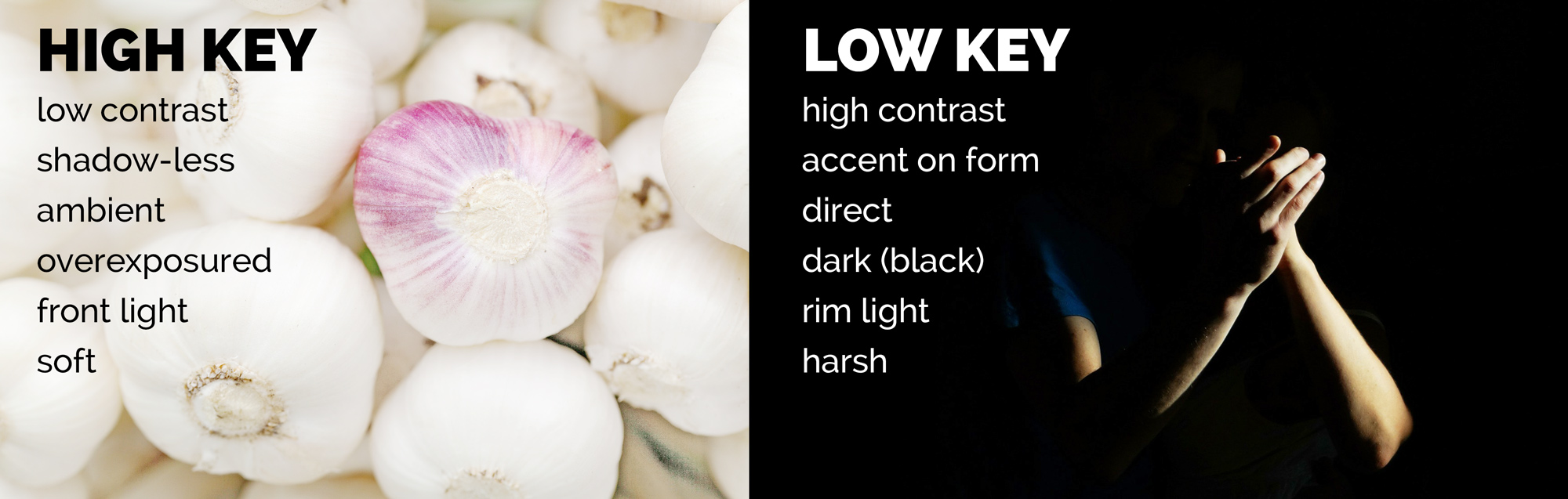
High Key Lighting Tutorial: Isn't Overexposure Beautiful?
The Textbook Trap: Why Dictionary Definitions Lie
Here’s a hard truth. If you look up lowkey and high key in a traditional dictionary, you’ll get definitions that are technically correct but practically useless. They’ll say something like “lowkey: in a restrained or quiet way.” That’s not wrong, but it misses the cultural context. Language isn’t a set of instructions—it’s a living organism. The dictionary gives you the bones. You need to learn the flesh. How to use lowkey and high key in a sentence requires you to understand the social contract behind the words. It’s not just about definition; it’s about implication.
I see this issue constantly with second-language learners. They memorize “lowkey = secretly” and then write sentences like, “I lowkey went to the store.” That makes no sense. Going to the store isn’t emotionally charged. It’s a neutral action. Lowkey needs an emotional context to work. If you’re not feeling hesitant, vulnerable, or mildly opinionated, don’t use it. The dictionary won’t tell you that. Only immersion and practice will. That’s why I recommend reading social media posts, watching casual interviews, and paying attention to how people actually talk. Textbooks are frozen. Slang is constantly moving. You have to chase it.
Another trap is assuming high key can replace any intensifier. You can’t say “I’m high key six feet tall.” That’s a fact, not a feeling. High key is for subjective experiences. Your height is objective. Your opinion about your height? That’s fair game. “I’m high key self-conscious about my height” works because it’s an emotional stance. The line between objective and subjective gets blurry sometimes, but that’s where judgment comes in. If the statement can be proven or disproven, leave the modifier out. If it’s a feeling, an opinion, or a vibe, lowkey and high key are your friends.
I’ll be honest—I’ve made this mistake myself early in my career. I wrote a blog post where I said, “This strategy is high key effective.” A reader called me out. They said, “Effective isn’t an opinion. It’s a claim.” They were right. I should have said, “I’m high key convinced this strategy works.” That’s subjective. It’s my conviction, not a universal truth. That distinction matters. It’s the difference between sounding confident and sounding arrogant. How to use lowkey and high key in a sentence with authority means respecting the boundary between inner experience and external reality.
Common Questions About How to Use Lowkey and High Key in a Sentence
Can I use lowkey and high key in formal writing?
Technically, yes, but I’d advise caution. Formal writing—academic papers, business reports, legal documents—demands precision. Lowkey and high key are informal modifiers that carry cultural assumptions. Using them in formal contexts can make you seem unprofessional or out of touch. However, if you’re writing a personal essay, a blog post, or even an internal memo with a relaxed culture, they can add personality. The rule of thumb: if your audience would use the words themselves, it’s fine. If they’re older or more traditional, skip them. Read the room.

High Key và Low Key Trong Nhiếp Ảnh: Sự Khác Biệt và Cách Áp Dụng
What’s the difference between “lowkey” and “secretly”?
This is a huge one. Secretly implies deliberate concealment. You’re hiding something. Lowkey implies understatement, not secrecy. If I say “I’m lowkey dating someone,” I’m not hiding it. I’m just not shouting it from the rooftops. It’s about the volume of my communication, not the visibility of the action. Secretly has a conspiratorial tone. Lowkey is casual and accessible. Confusing these two will make you sound unnatural. Remember: lowkey is a dimmer switch, not a lock and key.
Is it “high key” or “highkey”?
Both are used, but the written standard is shifting. In informal online spaces, you’ll see “highkey” as one word. In more polished writing, the two-word version is still common. I prefer “high key” in most contexts because it mirrors “low key” and looks cleaner on the page. But honestly? It doesn’t matter much. Pick one and be consistent. The meaning doesn’t change. What matters is that you use it naturally. Nobody is going to correct your spacing in a text message. If they do, they’re missing the point.
Can I use lowkey to describe other people?
Yes, but be careful. Saying “She’s lowkey funny” means she’s funny in a subtle, unexpected way. It’s a compliment. But saying “He’s lowkey weird” can sound passive-aggressive because lowkey softens the insult without removing it. It’s like saying “I don’t want to say this directly, but I’m saying it.” That can create tension. Use lowkey for positive or neutral traits when describing others. If you’re criticizing someone, either be direct or don’t say it at all. Lowkey isn’t a shield for rudeness.
Why do some people use lowkey as a noun?
You’ll hear phrases like “Keep it on the lowkey” or “Let’s stay lowkey.” That’s a different usage—it’s lowkey acting as an adjective or noun to mean “low profile” or “private.” This is closer to the original slang. It’s less common among younger speakers now, but it still appears. “Let’s keep this lowkey” means let’s not make a big deal out of it. That’s a valid construction. Context clears up the meaning. If you’re learning, stick to the modifier usage first. The noun form is an advanced move.
Here’s the bottom line. How to use lowkey and high key in a sentence isn’t about memorizing a formula. It’s about developing an ear for emotional weight. These words are shortcuts for how you want to be heard. Lowkey says, “I’m saying this, but I’m not married to it.” High key says, “I’m saying this and I dare you to challenge me.” Once you understand that distinction, you can deploy them with confidence in any conversation. Practice them in low-stakes situations first. Text a friend. Write a tweet. See how it feels. Over time, the hesitation disappears and the fluency takes over. That’s the goal—not to sound like a dictionary, but to sound like a person who knows exactly what they mean.

Post a Comment for "Peerless Tips About How To Use Lowkey And High Key In A Sentence"
Post a Comment